Surgical Robots: Precision Partners, Not Replacements
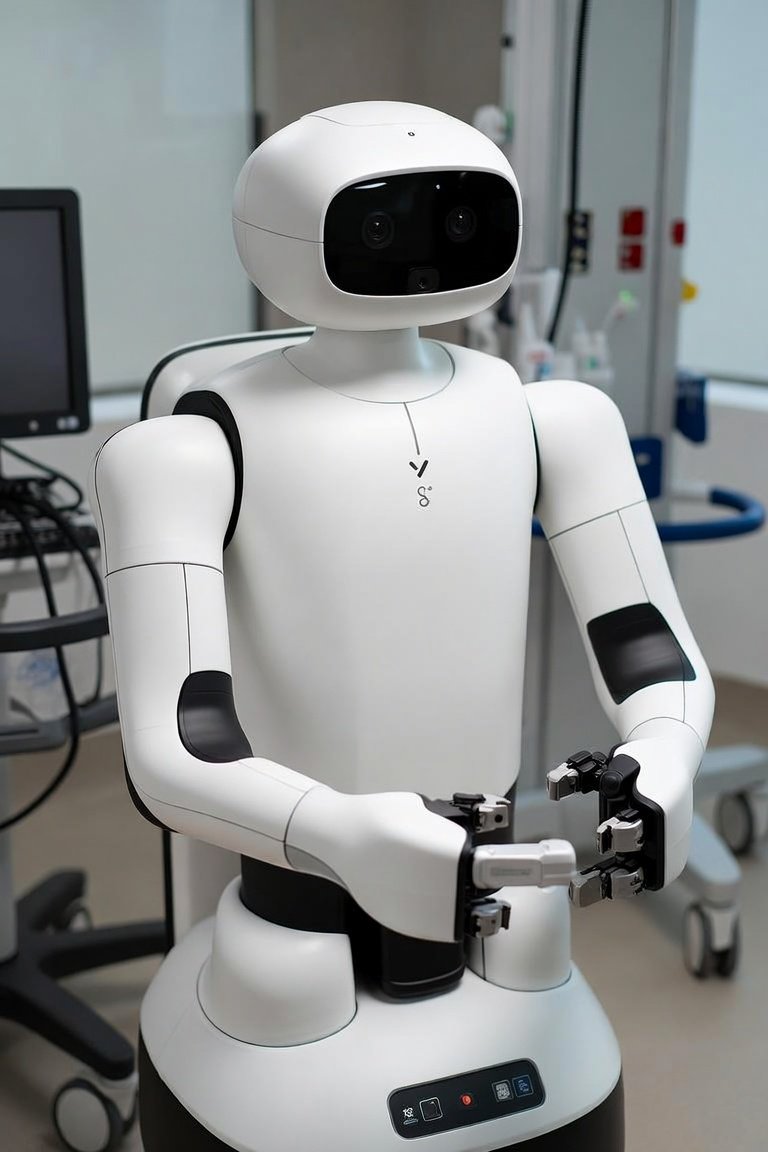
I have spent two decades watching surgical robots evolve from bulky, expensive curiosities into essential tools in the modern operating room. The future is not
Every hospital procurement committee I have sat on eventually circles back to the same debate: reusable or disposable? After two decades in this field, I have s
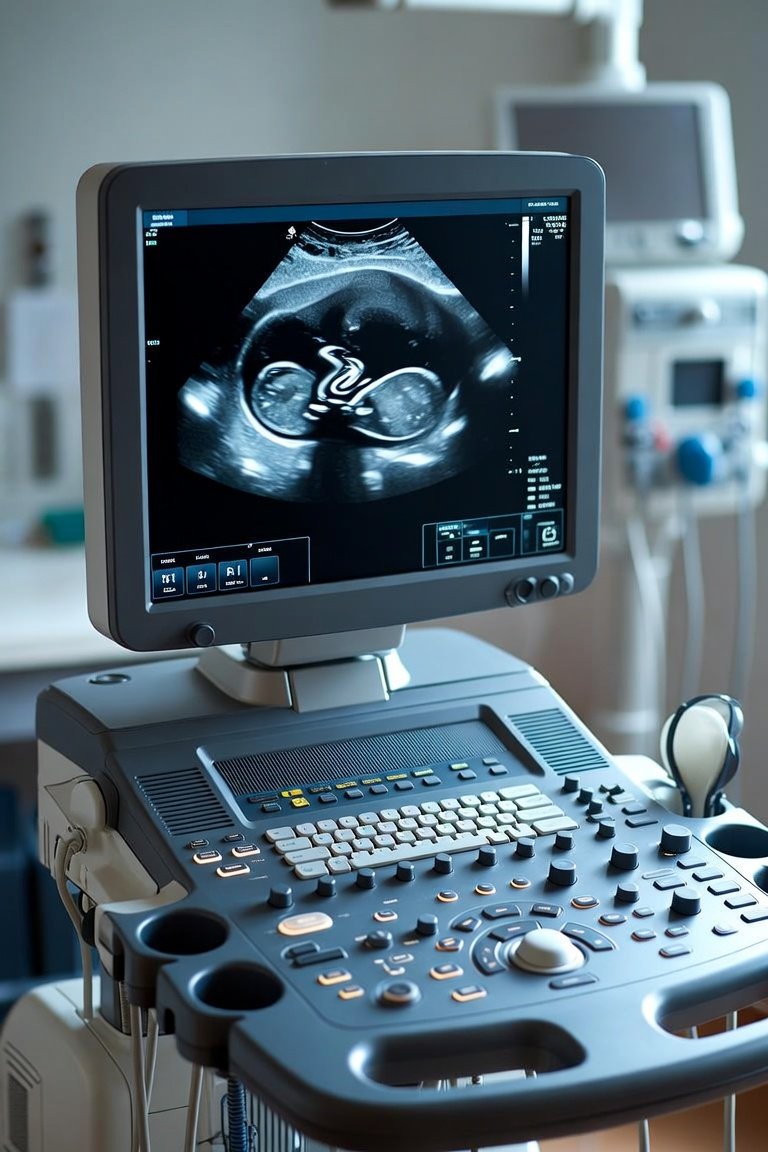
After two decades in medical technology, I have seen countless clinics make the mistake of buying an ultrasound machine that looks good on paper but fails in da
If you run a busy clinic, you already know the drill. Patient flow, billing, scheduling, lab results, and compliance demands keep piling up. The software you ch
If you have been in the operating room for any length of time, you have seen the shift. The robot arm is no longer a novelty; it is a tool. But the real revolut
When a patient’s heart slips into ventricular fibrillation or pulseless ventricular tachycardia, the only definitive treatment is a controlled, high-energy sh
Over two decades in this field, I have seen the ventilator market transform from massive, intimidating machines to streamlined, intelligent systems. But for a c
Over my two decades in medical technology, I have seen clinics lose thousands of dollars not because of poor clinical care, but because of inefficient billing.
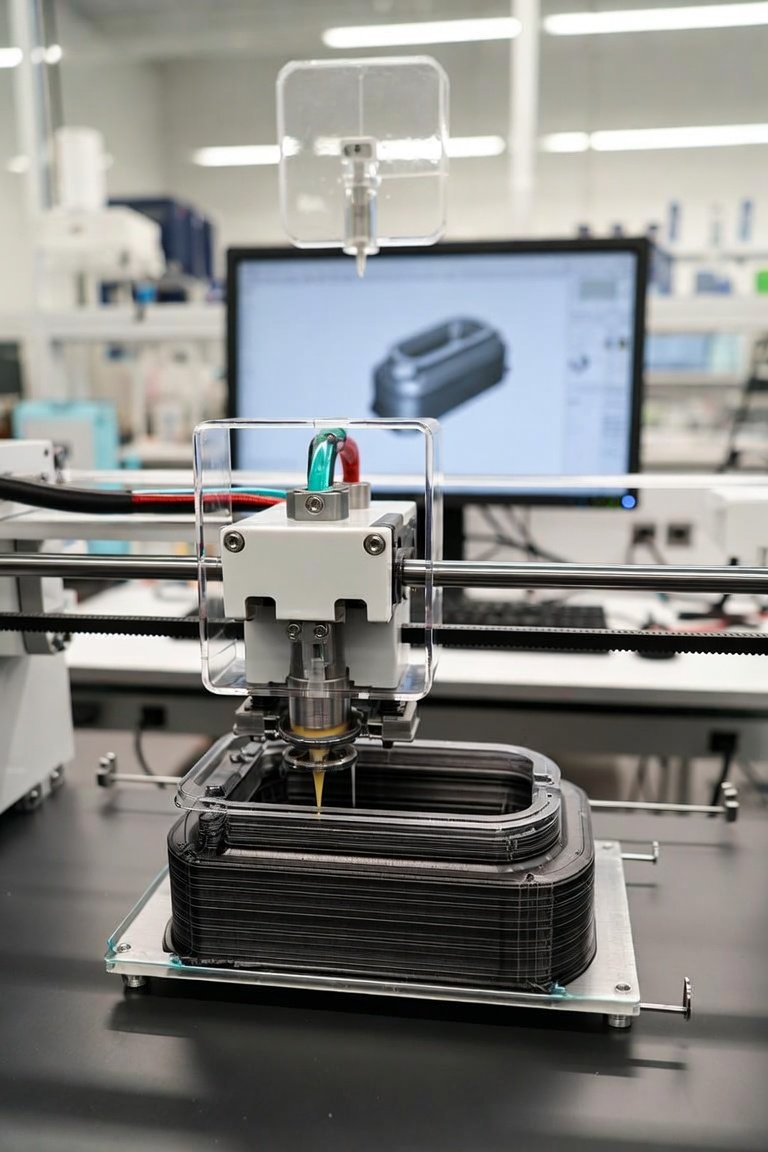
When I started in medical technology two decades ago, the idea of printing a custom hip joint or a patient-specific tracheal splint seemed like science fiction.
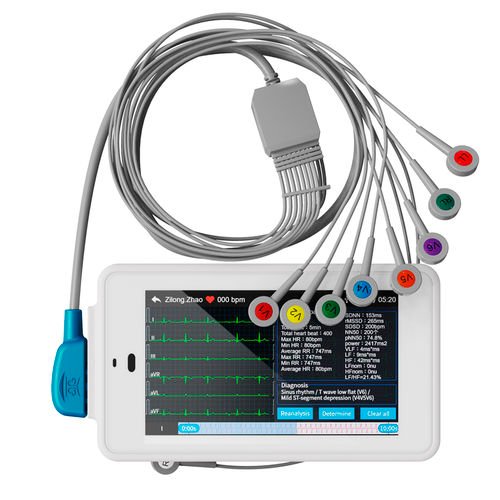
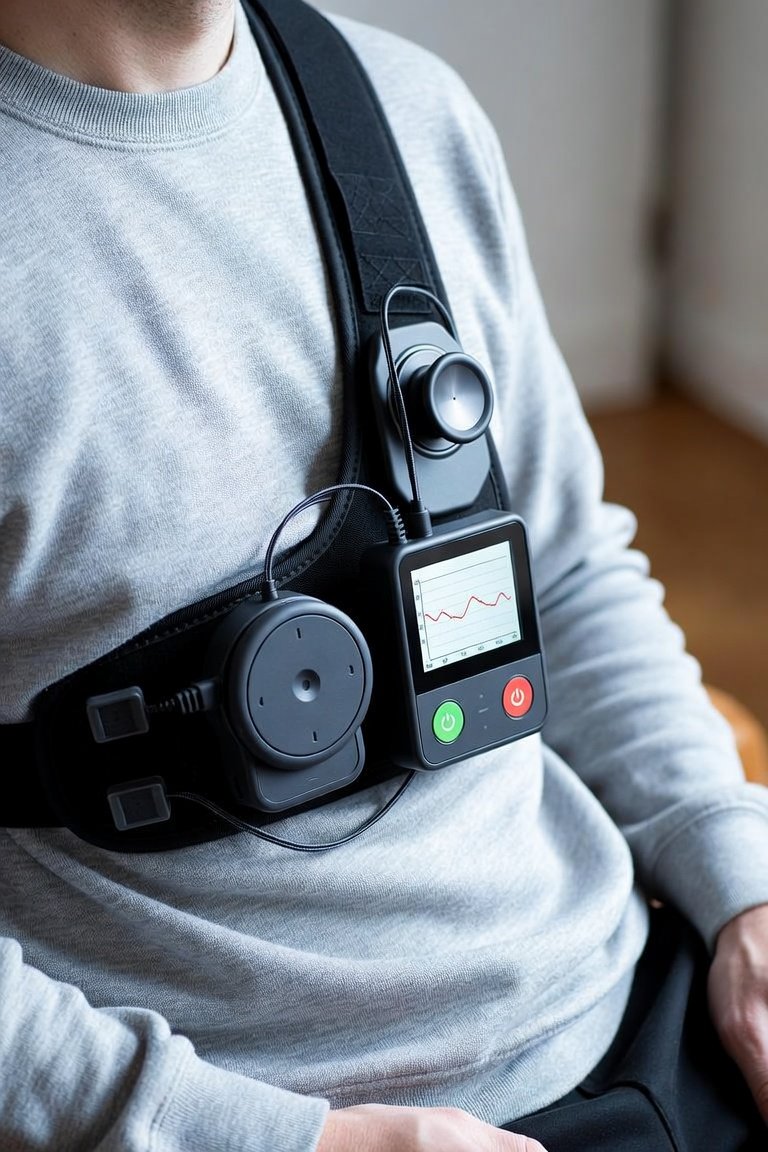
After two decades in medical technology, I have seen portable ECG monitors evolve from clunky, single-lead gadgets into sophisticated tools that rival clinical-
Choosing the right ventilator for a clinic is a decision that directly impacts patient safety, staff workflow, and clinical outcomes. After two decades in medic
After two decades in medical technology, I have watched machine learning evolve from a laboratory curiosity into a clinical necessity. Today, ML algorithms are