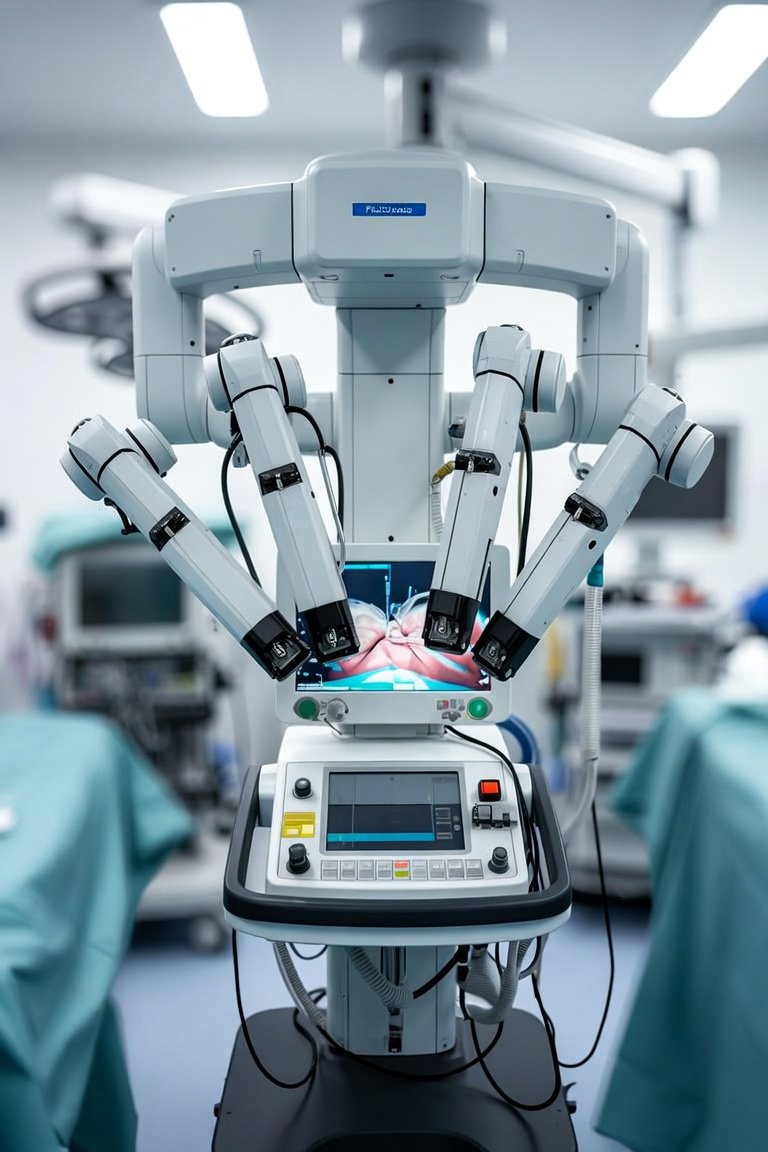
We have officially passed the tipping point where a stethoscope and a laptop are no longer enough. Telemedicine has moved from a pandemic stopgap to a permanent standard of care, and the equipment we choose now determines whether a remote visit feels like a video call or a genuine clinical encounter. I have spent two decades in medical technology, and I can tell you without hesitation: the gap between a frustrating telemedicine session and a seamless one is almost always a hardware problem, not a software one.
Let us talk about the three pillars of a serious telemedicine setup: the camera, the peripheral devices, and the examination tools. The camera is your primary diagnostic window. A built-in webcam is simply not acceptable for dermatology, wound care, or any specialty requiring visual acuity. You need a dedicated 4K medical-grade camera with optical zoom, not digital zoom. Digital zoom is just cropping; it will not resolve a suspicious mole or a healing suture line. Look for a camera with at least 10x optical zoom and a manual focus ring. Brands like Sony and Panasonic make broadcast-quality units, but for clinical use, I recommend the e-con Systems or the Poly Studio series because they offer true color reproduction, which is critical when assessing jaundice, cyanosis, or rashes.
The second pillar is the peripheral device hub. This is where most clinics waste money. You do not need a separate device for every function. Instead, invest in a single, high-quality USB 3.0 hub that supports multiple peripherals simultaneously. The key is to ensure your hub has enough bandwidth to run a 4K camera, a digital stethoscope, and an otoscope without lag. I have seen clinics buy three different USB adapters and then wonder why the audio drops. A robust hub, like the Startech 7-port with individual power switches, allows you to toggle devices on and off without unplugging, which prevents driver conflicts and keeps the workflow clean.
Now, for the examination tools themselves. The digital stethoscope has finally matured. The Thinklabs One is still the gold standard because it uses an electronic diaphragm that captures sound without a chest piece, which means it works through clothing and provides a frequency range far beyond acoustic models. However, for general practice, the Eko Core is more practical because it allows you to record a 15-second clip and send it as a file, which is excellent for cardiology consults. For otoscopy and ophthalmoscopy, the Firefly DE500 is a revelation. It is a wireless, handheld video otoscope with a disposable speculum system, and it connects directly to your tablet via Wi-Fi. The image quality is comparable to a rigid endoscope, and the patient can even see the image on the screen, which improves compliance in pediatric cases.
What should you look for when building your kit? Three things: interoperability, latency, and power management. Interoperability means the device must work with your existing EHR and telehealth platform. Do not buy a device that requires proprietary software. Look for devices that are FDA-cleared and support standard protocols like HL7 or FHIR. Latency is the silent killer. A device that adds 200 milliseconds of delay makes the exam feel robotic and hampers your ability to hear subtle heart murmurs. Test the device on your actual network before purchasing. Finally, power management. A telemedicine cart with a dying battery in the middle of a consult is a nightmare. Choose equipment with hot-swappable batteries or a dedicated power bank that can run the entire cart for at least four hours.
My closing advice is simple: start small but think modular. Buy the best camera you can afford, a solid hub, and one excellent peripheral. Add tools as your patient volume grows. Telemedicine is not about replicating the in-person visit; it is about creating a new, efficient standard. With the right equipment, the remote exam becomes not just acceptable, but often superior, because you can zoom in, record, and share findings in real time. That is the future, and it is already here.
Innovations & Tech
The Exam Room Has Left the Building: Practical Telemedicine Hardware for the Modern Clinic