If you or someone you love lives with diabetes, you know how quickly things can change. The latest 2026 guidelines from the American Diabetes Association bring some refreshing shifts that put more control back in your hands. After two decades helping patients manage this condition, I can tell you these updates are practical, patient-centered, and designed to fit real life. Let me walk you through what matters most.
The biggest change you need to know is the new emphasis on personalized targets. Gone are the days when every patient was told to aim for the same A1C number. In 2026, your target depends on your age, how long you have had diabetes, your other health conditions, and your daily routines. For example, a healthy 50-year-old might aim for an A1C below 7.0 percent, while an older adult with heart disease might have a target closer to 8.0 percent. This is not a step backward. It is a smarter way to avoid dangerous low blood sugar episodes while still protecting your long-term health.
Here are three key points from the updated guidelines that you can start using today.
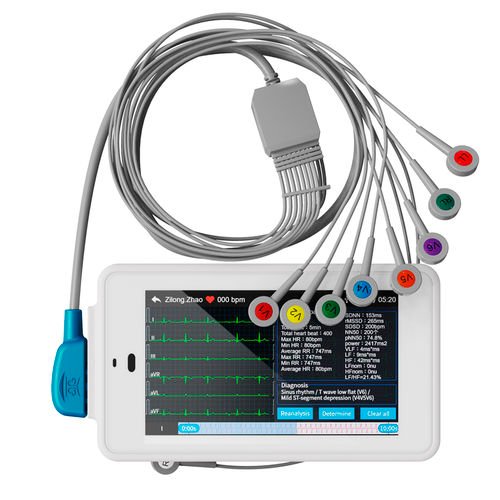
1. Continuous glucose monitors are now recommended for nearly everyone with diabetes. If you take insulin, you should be using one. If you manage with oral medications, talk to your doctor about a trial. These devices show your blood sugar in real time and alert you before levels drop too low. The 2026 guidelines emphasize using the time in range metric, meaning how many hours each day your blood sugar stays between 70 and 180 mg/dL. Aim for at least 17 hours per day. That is more practical than chasing a single number.
2. The approach to diet has shifted from counting carbohydrates to focusing on food quality. You do not need to eliminate carbs. Instead, prioritize vegetables, lean proteins, healthy fats, and whole grains. The new guidelines encourage eating patterns like the Mediterranean diet or a plant-based approach. And here is a practical tip: eat your vegetables first at meals, then protein, then carbs. This simple order can lower after-meal blood sugar spikes by up to 30 percent.
3. Exercise is now prescribed as medicine. The 2026 guidelines recommend 150 minutes of moderate activity per week, but they also stress breaking up sitting time. Set a timer to stand and walk for two minutes every 30 minutes. This small habit improves blood sugar control more than you might think. Also, add two sessions of resistance training per week, like lifting weights or using resistance bands. Muscle tissue helps your body use insulin more effectively.
Now, let me give you some practical advice for putting these guidelines into action. Start by having an honest conversation with your healthcare team about your personal A1C target. Write it down and keep it visible. Next, ask about getting a continuous glucose monitor. Many insurance plans now cover them for type 2 diabetes as well. If that is not an option, check your blood sugar at different times of day, not just in the morning. Knowing your after-meal numbers is crucial.
For your daily routine, try the vegetable-first tip at dinner tonight. And set that timer to get up and move every half hour. These are small changes, but they add up. Finally, do not forget about sleep. The guidelines now emphasize that poor sleep directly raises blood sugar. Aim for seven to eight hours per night and keep your bedroom cool and dark.
What I want you to remember is this: diabetes management in 2026 is about working with your body, not against it. You are not failing if your numbers are not perfect. The goal is consistency, not perfection. Use the tools available, listen to your body, and lean on your healthcare team. This is a partnership, and you are the most important member.
Take one step today. Pick one tip from this article and try it for a week. You might be surprised how much better you feel. Your health is worth the effort, and these new guidelines are here to help you succeed.
Medical Devices
Navigating Diabetes Care in 2026: What the New Guidelines Mean for You