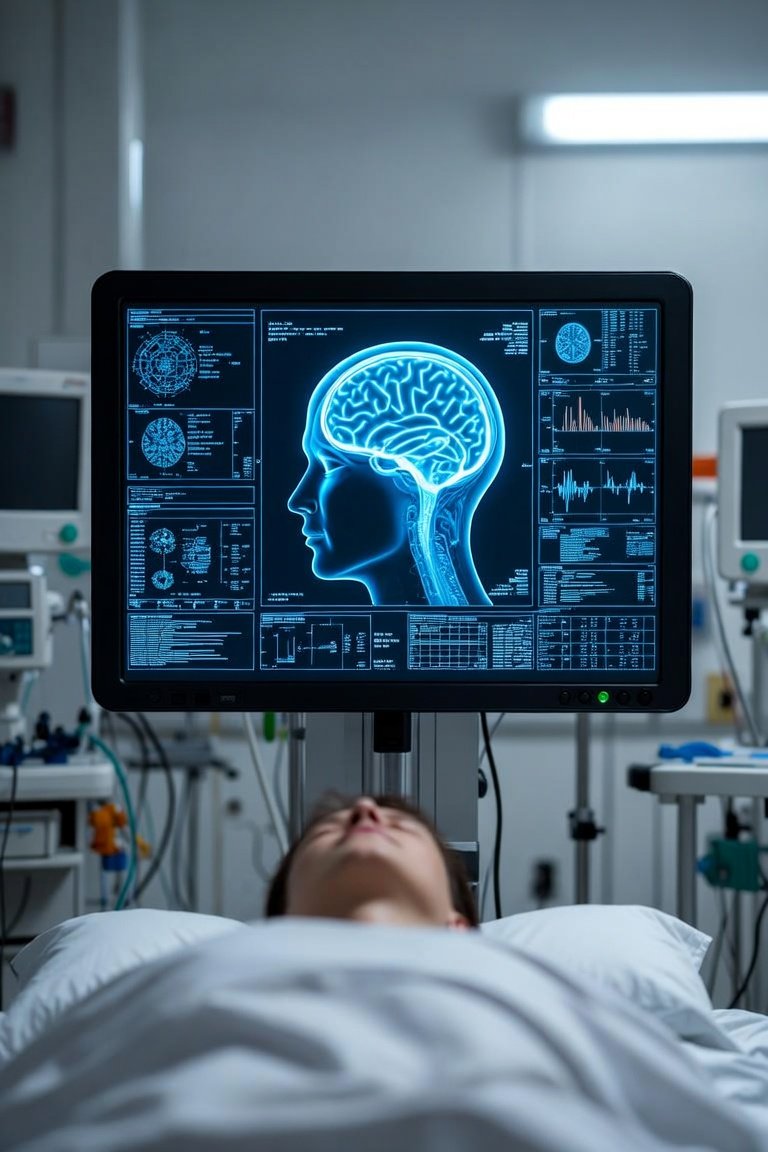
Over the past decade, I have watched machine learning transition from a research curiosity to a genuine clinical tool. In my work outfitting outpatient clinics and diagnostic centers, I now see ML algorithms embedded in everything from ECG interpretation to retinal scanning. The question is no longer whether to adopt this technology, but how to do it wisely. Let me walk you through what actually matters when you are evaluating machine learning for your practice.
The most immediate benefit you will notice is in diagnostic accuracy for pattern-based specialties. Radiology, pathology, and dermatology lead the charge because these fields rely on image recognition, which is where ML excels. For example, a chest X-ray analysis system can flag suspicious nodules in under thirty seconds, with sensitivity rates that match or exceed a seasoned radiologist. In practical terms, this means your clinic can triage urgent cases faster, reduce missed findings during high-volume hours, and give your physicians a second set of eyes that never tires. The key features to look for are these: real-time processing, integration with your existing PACS or EMR, and a clear confidence score for every finding. Do not accept a black box. You need to see why the algorithm made a decision, not just the result.
When you compare available systems, you will find three broad categories. The first is standalone diagnostic software, which works independently and generates a report your clinician reviews. This is the easiest to implement, often cloud-based, and ideal for smaller clinics. The second is integrated decision support, which embeds ML directly into your EMR workflow. This is more powerful but requires careful configuration and staff training. The third is specialized hardware-software combos, such as AI-enabled ultrasound machines or digital stethoscopes. These are attractive because they do not require a separate workstation, but they lock you into a specific vendor. My practical advice is to start with standalone software for one high-volume test, measure the impact on turnaround time and diagnostic confidence, then expand. Do not try to overhaul your entire diagnostic process in one quarter.
What should you look for when selecting a system? First, regulatory clearance. In the United States, that means FDA clearance or approval. In Europe, CE marking under the Medical Device Regulation. This is non-negotiable. Second, data privacy. Your ML vendor must sign a business associate agreement and demonstrate compliance with HIPAA or GDPR. Third, interoperability. The system must speak HL7 or FHIR, or you will spend months on custom integration. Fourth, training and support. The best algorithm in the world is useless if your staff cannot use it. Ask for on-site training and a dedicated support line. Fifth, performance metrics. Demand a validation report based on your patient population, not just a published study from a university hospital. Your demographics matter.
Let me give you a concrete example from a clinic I worked with last year. They implemented an ML-based retinal screening tool for diabetic retinopathy. In the first month, the system reduced the average reading time from fifteen minutes per patient to four minutes. More importantly, it caught three cases of early retinopathy that the overworked primary care physician had missed. The clinic recouped the software cost in six months through increased patient volume and reduced referral delays. That is the real-world value.
My closing recommendation is this: approach machine learning as you would any new diagnostic instrument. Verify its accuracy, understand its limitations, and train your team thoroughly. Start with a single use case that solves a clear pain point. Measure the results. Then scale. The technology is mature enough to deliver tangible improvements today, but it requires careful selection and implementation. If you do that, machine learning will not replace your clinicians. It will make them better, faster, and more confident. And that is good medicine.
Clinic Management
Machine Learning in Medical Diagnosis: A Practical Guide for Clinic Administrators