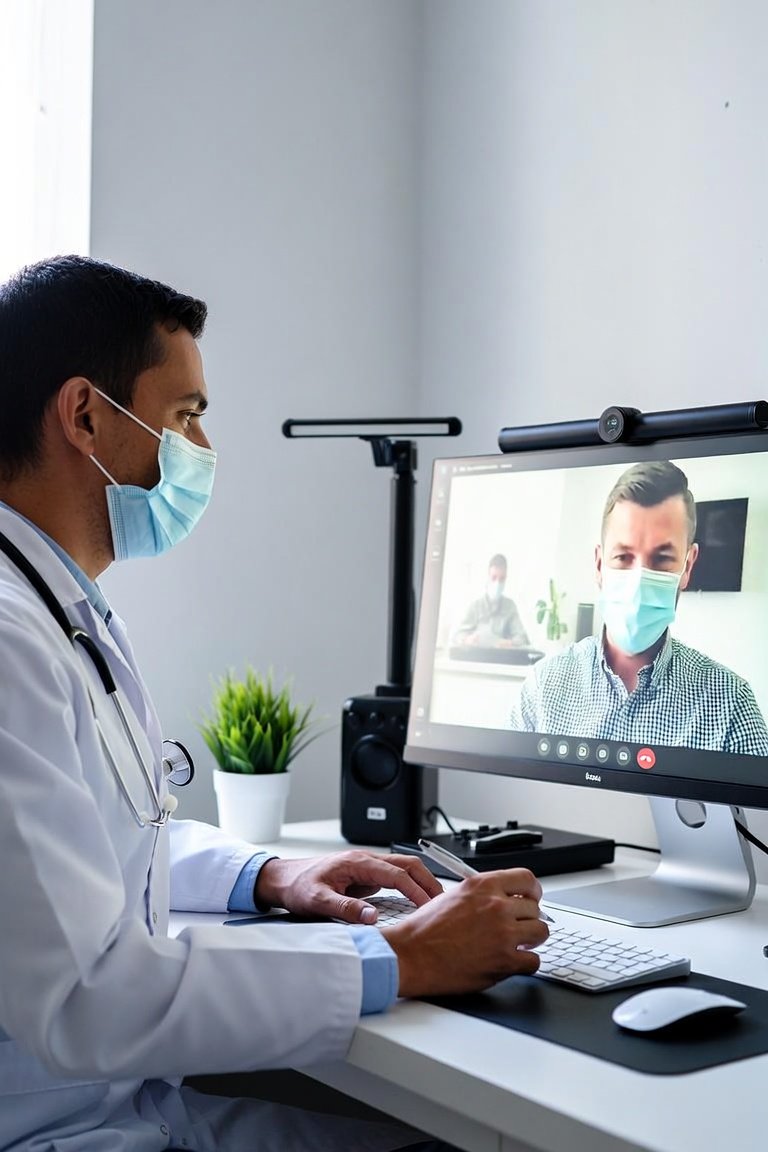
The shift toward virtual care is no longer a trend; it is a standard of practice. Over two decades of installing diagnostic and communication systems in clinics, I have seen the difference between a telemedicine rollout that fails and one that becomes a revenue center. The difference is not the software. It is the deliberate engineering of the clinical environment around it. Setting up a telemedicine service requires the same rigor as installing an ultrasound suite: you need proper power, proper ergonomics, and a backup plan for every critical component.
The first decision is the hardware backbone. Do not rely on a laptop webcam and consumer earbuds. Invest in a dedicated telemedicine cart or a fixed examination room station. The cart should have a medical-grade power strip with surge protection, a 27-inch monitor with 4K resolution for clear visualization of skin tones and rashes, and a pan-tilt-zoom camera with at least 10x optical zoom. For peripheral devices, you need a digital stethoscope (such as the Eko or Thinklabs models) that transmits heart and lung sounds in real time, and a high-resolution otoscope or dermatoscope attachment for specialty consults. These peripherals connect via USB-C or Bluetooth, so verify compatibility with your chosen platform before purchasing.
On the software side, you have two primary routes: a standalone telehealth platform (like Doxy.me, Zoom for Healthcare, or Updox) or an integrated module within your existing Electronic Health Record (EHR) system, such as Epic’s MyChart Video Visit or Athenahealth’s Telehealth. The standalone platforms are faster to deploy, often with a pay-per-visit model, and they are excellent for a solo practice. The EHR-integrated systems are more expensive and take longer to configure, but they eliminate the dual-entry problem where clinical notes live in one system and the video recording in another. My recommendation for a clinic starting out is to choose the integrated module if you already have a modern EHR. The documentation flow is worth the initial headache.
Now, let us talk about the examination room itself. Lighting is the most overlooked clinical parameter. Fluorescent overhead lights create shadows that obscure rashes and jaundice. You need a 5000 Kelvin LED ring light placed behind the camera, angled at 45 degrees toward the patient’s face. This provides even illumination without glare on the monitor. Position the camera at the patient’s eye level, not above or below. For physical exams, install a second camera on a flexible arm for close-up views. Test the audio with a live call using the actual peripherals, not the built-in microphone. Echo cancellation is critical; a hard-walled room with tile flooring will create reverberation that makes heart sounds unintelligible.
A common failure point is the internet connection. A single DSL line is insufficient. You need a dedicated fiber or cable connection with a minimum 25 Mbps upload and download speed, but I recommend 50 Mbps symmetric to handle high-definition video plus the data stream from the digital stethoscope. Use a wired Ethernet connection for the cart, not Wi-Fi. Wi-Fi is subject to interference from microwaves and neighboring networks. Configure Quality of Service (QoS) on your router to prioritize video traffic over other office traffic like cloud backups. Finally, have a 4G LTE hotspot as a failover, and test it monthly.
What should you look for when selecting a vendor? Look for HIPAA-compliant end-to-end encryption, which is non-negotiable. Ask about their uptime guarantee; 99.9% uptime is the industry minimum. Inquire about their technical support response time, not just during business hours but on weekends. And critically, request a trial period of at least 30 days with your actual peripherals. Many platforms have proprietary protocols that do not play well with third-party stethoscopes.
My final piece of advice is to run a full rehearsal with a mock patient before your first real visit. Check the camera angle, the audio levels, the lighting, and the peripheral connections. Time the entire workflow from patient check-in to note signing. A telemedicine service is not just a camera and a link; it is a clinical instrument. Treat it with the same respect as any diagnostic device, and it will serve your patients reliably for years. Start small, validate the workflow, and then scale. That is the only way to build a service that lasts.
Clinic Management
TELEMEDICINE INFRASTRUCTURE: A PRACTICAL BLUEPRINT FOR CLINIC ADOPTION