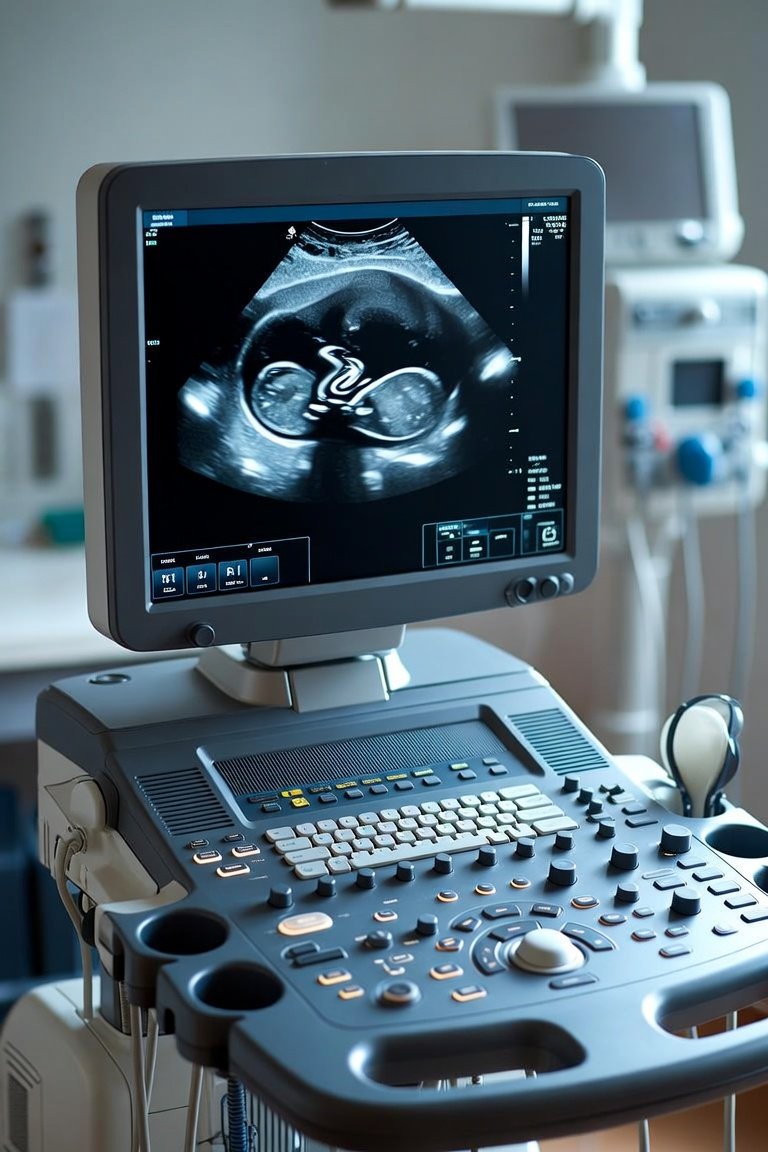
Selecting an ultrasound system is one of the most significant investments you will make for your practice, and it is far more than a simple transaction. The right machine will streamline your workflow, improve diagnostic confidence, and even expand the range of services you offer. The wrong one will become an expensive paperweight that frustrates your staff and your patients. Over two decades, I have seen clinics make both choices, and the difference almost always comes down to a clear-eyed assessment of three core areas: clinical need, technical capability, and long-term cost.
The first and most critical step is defining your clinical applications. Do not buy a machine based on what is popular; buy one based on what you will scan daily. A general family practice will have vastly different requirements than a cardiology or obstetrics specialty. For a general clinic, a versatile, mid-range system with excellent 2D imaging and color Doppler is the workhorse. You need reliable B-mode for abdominal and pelvic scans, and Doppler for vascular checks. If you are performing musculoskeletal work, you will prioritize high-frequency linear transducers with superb superficial resolution. For obstetrics, look for automated measurement packages and dedicated OB software that calculates gestational age and fetal weight. Write down your top five most common exam types before you even look at a brochure. This list will be your compass.
Next, you must evaluate the technology that matters and ignore the marketing that does not. The transducer is the heart of the system, and its quality often matters more than the console. A high-density, single-crystal transducer will provide better image clarity and penetration than an older ceramic element, especially on challenging patients. Compare the number of active elements, not the total count. Look at the system's processing power, particularly its frame rate. A low frame rate will make moving structures like the heart or fetal heart appear blurry and will slow down your exams. Also, consider the ergonomics. A machine with a small footprint and a responsive touchscreen is essential for a busy clinic. Test the keyboard, the trackball, and the probe cable management. You will be using these controls hundreds of times a week, and a poorly designed interface will cause daily frustration.
When comparing specific models, do not be seduced by the highest price tag. You are paying for image quality and workflow, not for brand prestige. Set a realistic budget that includes the cost of the machine, two or three transducers, a dedicated printer, and a service contract. Ask for a side-by-side demonstration of two or three shortlisted systems. Bring your own patient volunteers or use the manufacturer's test phantom to see how each unit handles your typical scanning conditions. Pay attention to the software. Is the user interface intuitive? Can you customize the presets for your most common exams? How long does it take to switch from a deep abdominal scan to a superficial thyroid exam? These minutes add up quickly across a day.
Finally, think about the future, not just today. Consider the machine's upgrade path. Can you add new software packages later, such as elastography or contrast imaging, without buying a new system? What is the expected lifespan of the probes, and what is the replacement cost? A probe can cost several thousand dollars, so factor that into your maintenance plan. Check the manufacturer's service network. A machine is only as good as the support behind it. Ask for references from other clinics of your size that have used their service for at least three years. A two-day turnaround on a repair is acceptable; a two-week wait is not.
In the end, the right ultrasound machine is the one that fits your daily reality, not the one with the most features. Start with your clinical list, prioritize image quality and ergonomics, and negotiate a service plan you can live with. If you do that, you will have a reliable diagnostic partner for the next decade. Do not rush the decision. A thoughtful, informed choice will pay dividends in patient care and practice efficiency for years to come.
Equipamiento Clínico
Choosing the Right Ultrasound Machine for Your Clinic