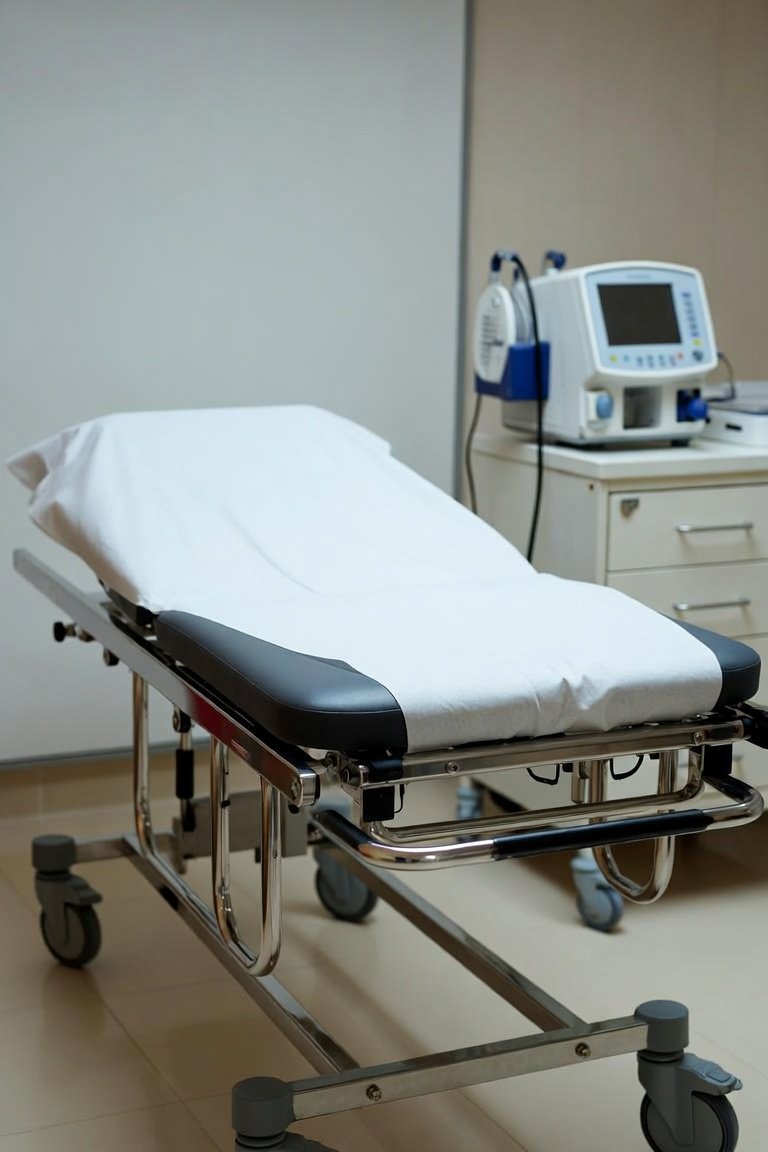
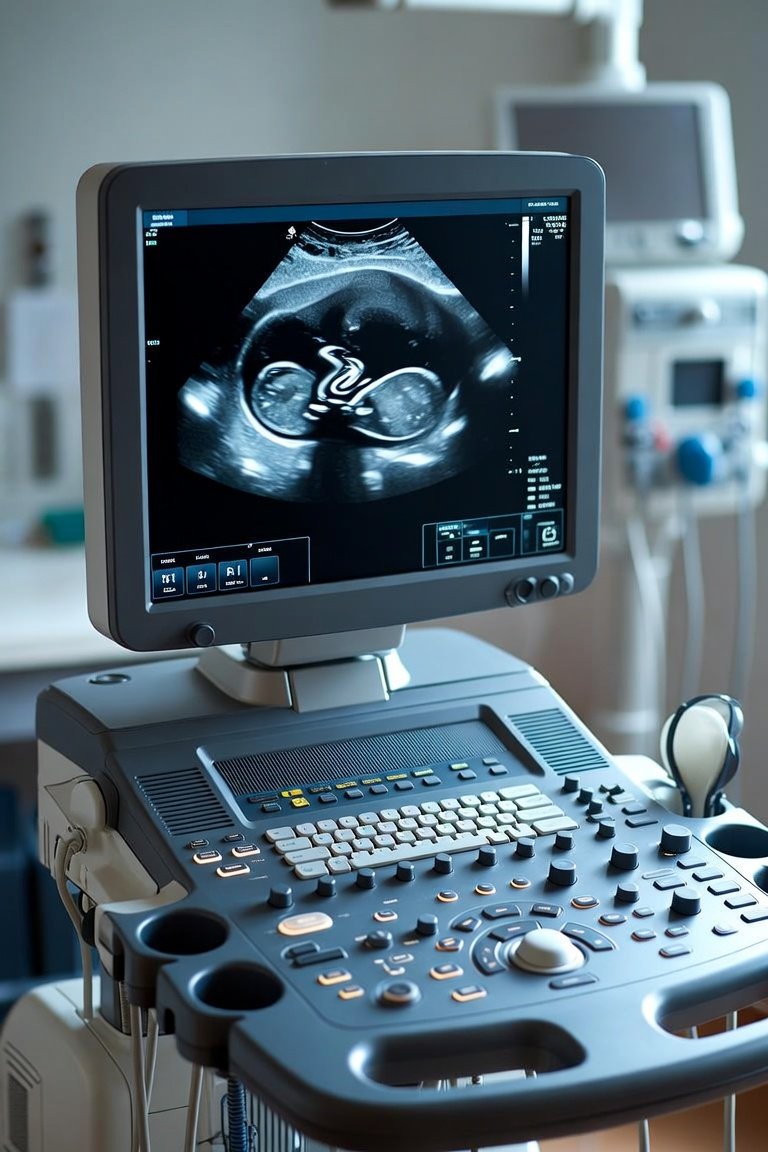
Selecting a patient monitoring system is one of the most consequential investments a clinic can make. It is not simply about purchasing a device that displays vital signs; it is about acquiring a decision-support tool that directly impacts patient safety, clinical workflow, and staff confidence. Over two decades, I have seen clinics make excellent choices and costly errors, and the difference almost always comes down to a clear understanding of clinical needs versus marketing hype. Let us cut through the noise and focus on what truly matters.
The first and most critical step is to define your patient population and acuity level. A general outpatient clinic managing chronic conditions has vastly different requirements than a busy urgent care center or a post-anesthesia care unit. For low-acuity settings, a compact, portable monitor with core parameters—non-invasive blood pressure, SpO2, pulse rate, and temperature—is often sufficient. However, if you manage patients with cardiac arrhythmias or respiratory distress, you must prioritize units with full 12-lead ECG interpretation, continuous waveform capnography, and advanced arrhythmia analysis algorithms. Do not pay for features you will never use, but never compromise on the parameters that match your clinical risk profile.
When comparing systems, think about the user interface as a patient safety feature. The best monitors are those that require minimal cognitive load from your nursing staff. Look for a screen that is bright, high-resolution, and customizable. Clinicians should be able to see trends at a glance without navigating through complex menus. A touchscreen is standard, but physical buttons for alarm silence and defibrillation sync should remain tactile and easily accessible. In my experience, a monitor with an intuitive interface reduces alarm fatigue significantly, which is a major issue in busy clinics. If your staff has to search for a setting during a code, the system is a failure.
Connectivity and data integration are no longer optional. A standalone monitor is a data island. The best system will integrate seamlessly with your Electronic Health Record (EHR). This does not mean just printing a strip; it means automatic, bi-directional data transfer. Look for systems that support HL7 and FHIR standards. This capability eliminates manual charting errors and frees up nursing time for direct patient care. Also, consider the monitoring network. If you have multiple exam rooms, a central viewing station or a mobile app that allows a charge nurse to see all patients’ waveforms from a single tablet is a game-changer for early detection of deterioration.
Now, let us talk about the physical hardware and durability. Clinic monitors are moved, bumped, and subjected to constant cleaning with harsh disinfectants. The device must have an IP rating of at least IPX2 for splash resistance, and the casing should be made of a rugged, chemical-resistant polymer. Check the battery life. A monitor that lasts only 30 minutes on battery is useless during patient transport. Aim for at least 2 to 3 hours of continuous operation on a full charge. Also, examine the cable management. Poorly designed cables are a tripping hazard and a primary source of equipment failure. Modular connectors that are color-coded and keyed to prevent incorrect insertion will save you thousands in repair costs over the years.
Finally, consider the total cost of ownership, not just the sticker price. Ask the vendor for a detailed quote on service contracts, replacement batteries, and sensors. A cheaper monitor with expensive proprietary sensors will cost you more in the long run. Inquire about the availability of refurbished or aftermarket sensors that maintain accuracy standards. Also, ask about the manufacturer’s software update policy. Some vendors charge exorbitant fees for basic software patches. You want a partner, not a one-time seller. Look for a company with a proven service response time of under 24 hours in your region.
In conclusion, the best patient monitoring system is the one that your staff will actually use with confidence and trust. It is a blend of accurate technology, ergonomic design, and robust data management. I recommend you request a 30-day trial with the actual models you are considering, using your own staff and your own patient scenarios. Do not rely solely on a vendor demonstration. Put the monitor in a real exam room, run it through your daily chaos, and see if it holds up. That trial period will tell you more than any spec sheet ever will. Choose the system that disappears into the background, allowing your clinicians to focus entirely on the patient. That is the mark of a truly great investment.
Clinic Equipment
The Right Monitor for Your Clinic: A Practical Selection Guide