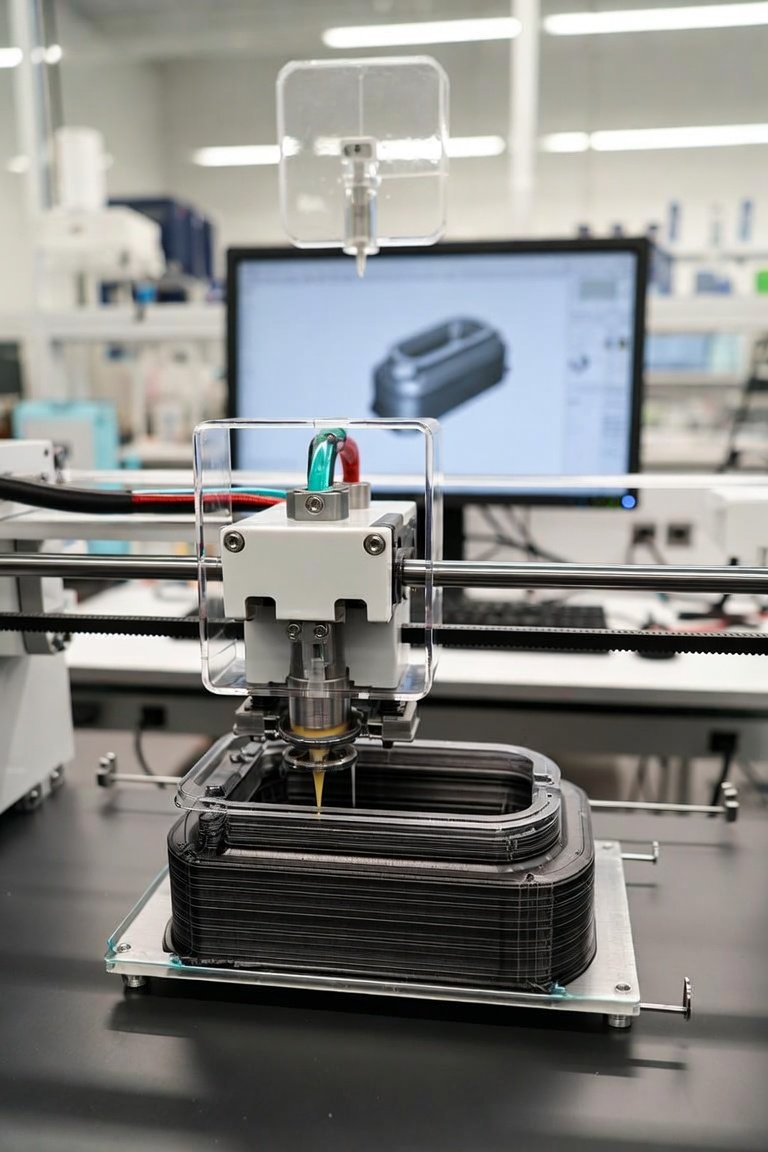
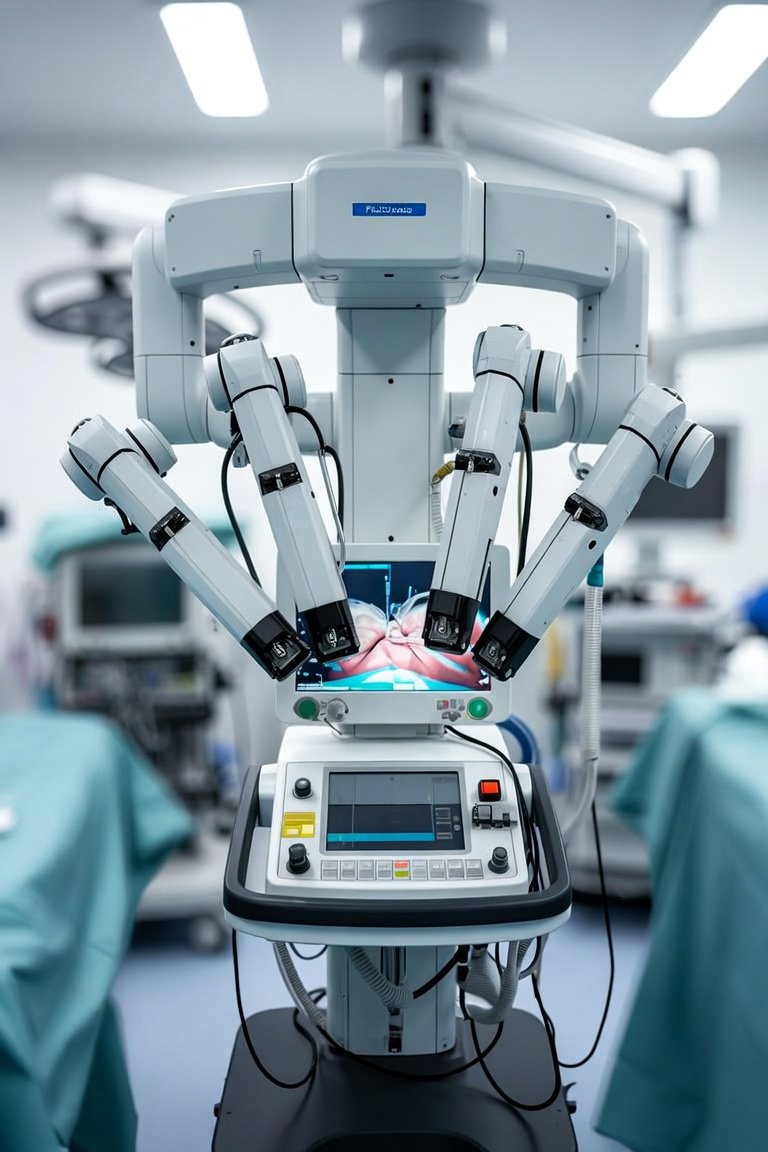
When I started in this field, the idea of printing a patient-specific implant or a surgical guide was the stuff of science fiction. Today, I have watched 3D printing, or additive manufacturing, move from the research lab to the operating room and the prosthetics clinic. It is not a single technology but a suite of them, and the practical implications for patient outcomes are staggering. We are no longer just talking about prototypes; we are talking about production-grade medical devices that are changing how we approach surgery and rehabilitation.
The most visible breakthroughs are in prosthetics. Traditional sockets are labor-intensive to fabricate and often require multiple fittings. With 3D printing, we can scan a residual limb and produce a perfectly contoured socket in a matter of hours. The key features to understand here are the material properties and the lattice structures. Modern printers can create sockets with variable flexibility, meaning a rigid frame for support but a soft, compliant inner layer for pressure distribution. This is not just about comfort; it reduces shear forces and skin breakdown, which are the leading causes of prosthetic abandonment. For upper-limb devices, we are seeing affordable, functional myoelectric hands that cost a fraction of their traditionally manufactured counterparts. The trade-off is durability, but for pediatric patients who outgrow devices quickly, this is a game-changer.
Beyond prosthetics, the most profound impact is in surgical planning and intraoperative tools. We have moved past simple anatomical models. I am now seeing patient-specific cutting guides for joint replacement and custom drill guides for spinal fusion that lock into place with a precision that is impossible with standard instrumentation. The workflow is straightforward: a CT scan is converted into a 3D model, the surgeon plans the resection virtually, and a sterile, biocompatible polymer guide is printed. This reduces operative time, minimizes blood loss, and ensures the mechanical axis is aligned perfectly. For complex oncology cases, surgeons can practice on a life-sized, full-color model that replicates the exact tissue density, allowing them to anticipate complications before the patient is on the table.
When comparing technologies, you have three main platforms. Fused Deposition Modeling (FDM) is the workhorse for low-cost surgical guides and external prosthetics; it is reliable but has a rougher finish. Stereolithography (SLA) offers much higher resolution and smoother surfaces, making it ideal for dental splints and microsurgical tools, though the materials can be more brittle. The third, and most exciting, is Selective Laser Sintering (SLS) of nylon or PEEK. This is the choice for load-bearing implants and durable, end-use prosthetics. For bioprinting of living tissue, that is still largely experimental, but we are seeing successful implantation of 3D-printed, bioresorbable scaffolds for bone and cartilage regeneration. These scaffolds are printed with a specific porosity to encourage cell ingrowth, then dissolve over time, leaving only native tissue behind.
If you are evaluating this technology for your facility, focus on three things. First, the regulatory status of the material you plan to use; not all resins are created equal for patient contact. Second, the sterility pathway; can the final device be autoclaved or is it single-use only? Third, the software workflow. The printer is only half the battle; you need robust segmentation software that can convert DICOM data into a printable file without losing anatomical accuracy. The learning curve is real, but the return on investment is measured in reduced revision surgeries and faster patient recovery.
My recommendation is to start small. Do not try to print a titanium hip on day one. Begin with a simple, low-risk application like a surgical drill guide or a custom splint. Master the workflow, validate your sterilization process, and build confidence with your surgical teams. The technology is mature enough to be reliable, but it still requires a skilled operator to deliver the clinical excellence that patients deserve. The future is not about printing whole organs in a day; it is about delivering the right tool, for the right patient, at the right time, and we are already there.
Innovations & Tech
The Quiet Revolution in Additive Manufacturing for Clinical Care