I have spent two decades in medical technology, and I can tell you without hesitation that the current wave of telemedicine equipment is not a stopgap measure. It is a fundamental upgrade to how we deliver care. The days of grainy video and delayed audio are over. Today, the technology is sophisticated, portable, and capable of capturing physiological data that once required a hospital bed. For the practicing clinician, understanding this new hardware is no longer optional; it is a core competency.
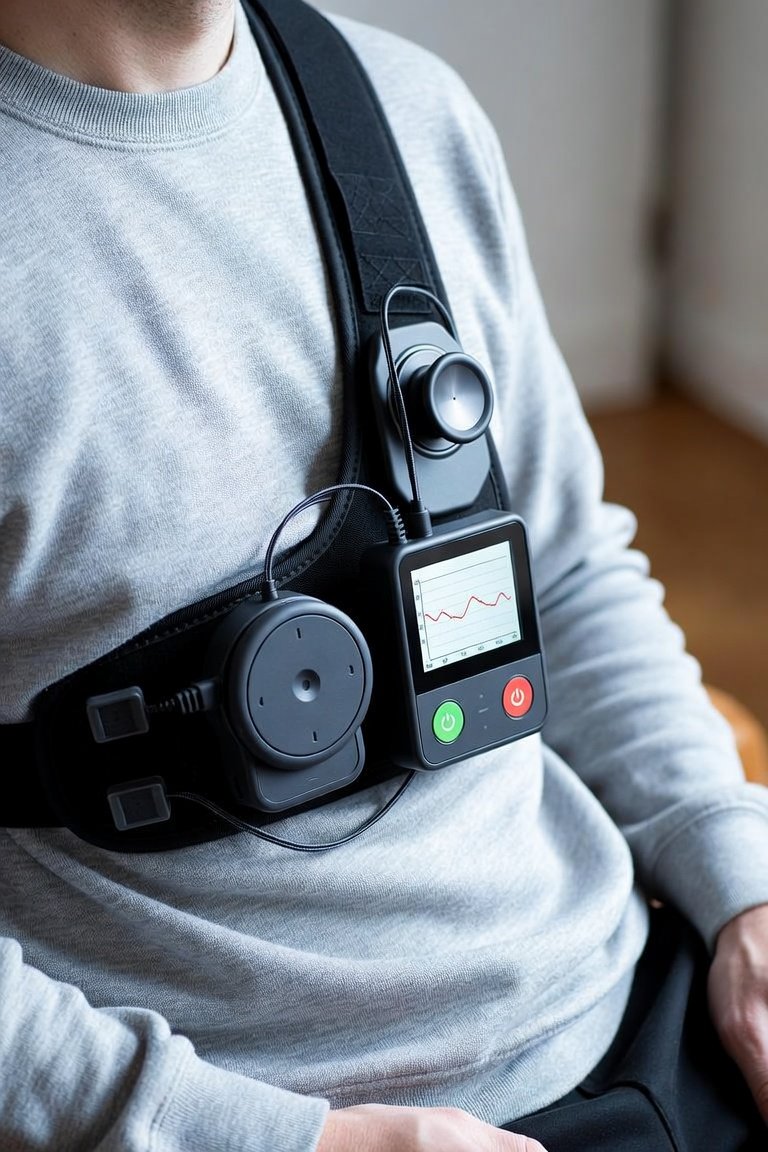
The most significant shift is the move from simple communication tools to integrated diagnostic platforms. The modern telemedicine cart is a marvel of integration, but the real heroes are the peripheral devices. You are no longer just asking a patient to describe a rash; you are capturing a high-resolution image with a digital dermatoscope. You are not just listening to a cough; you are recording lung sounds with a high-fidelity electronic stethoscope that filters ambient noise and transmits the waveform in real time.
Let us break down the critical components you should be evaluating. First, the examination camera. Do not settle for a standard webcam. Look for a device with optical zoom, at least 10x, and a high dynamic range sensor. This allows you to examine a wound bed or a patient's throat without losing detail in shadows. Second, the peripheral integration. Your telemedicine software must seamlessly connect to your otoscope, ophthalmoscope, and dermoscope. The key feature here is single-touch capture, where the image is instantly pulled into the patient's record without manual file transfers. Third, the audio interface. This is non-negotiable. You need a beamforming microphone array that isolates the patient's voice, not the air conditioner, and speakers that provide clear, echo-cancelled audio. If you cannot hear a subtle wheeze, the entire visit is compromised.
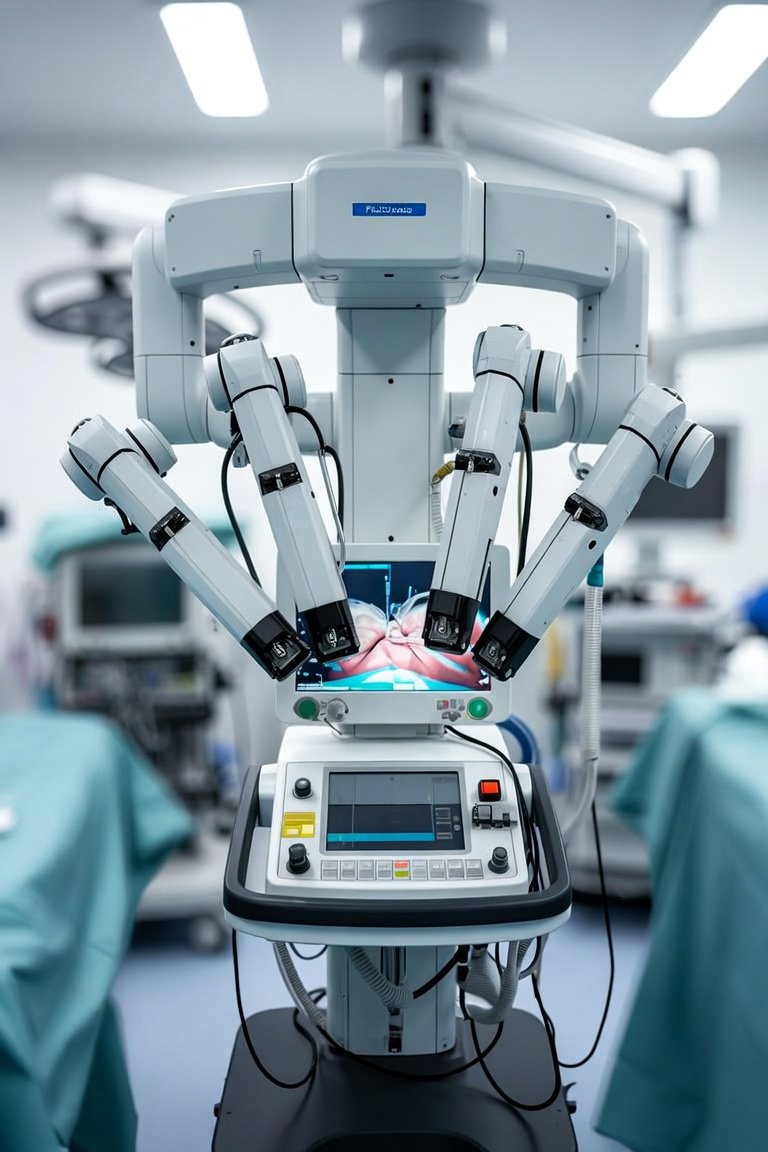
Choosing between a dedicated cart and a portable kit depends entirely on your workflow. A fixed cart, typically priced between 8,000 and 15,000 dollars, is ideal for a clinic that has a dedicated room and a high volume of daily visits. It offers a permanent, always-ready setup with a large monitor for better visual assessment. However, if you are doing home health visits or need flexibility across multiple exam rooms, a portable kit is your ally. These kits, which fit into a ruggedized briefcase, pair a laptop or tablet with battery-powered peripherals. They are lighter, but you must be meticulous about charging and sanitizing them between visits. I always advise colleagues to consider the total cost of ownership, not just the purchase price. Look at the warranty on the peripherals; they are the most fragile and expensive parts to replace.
When you are ready to purchase, focus on interoperability above all else. The technology is only as good as its integration with your Electronic Health Record (EHR). You do not want a system that requires you to log into a separate portal to view images. The best systems are those that offer a plugin for your existing EHR, allowing you to document and capture data without breaking your workflow. Also, verify that the platform is HIPAA-compliant with end-to-end encryption, not just in transit, but at rest.
My final recommendation is to test the equipment in a live scenario, not a demo. Have a colleague stand in another room and simulate a patient with a heart murmur or a skin lesion. See if you can make the diagnosis with the technology alone. If the image is too slow to load or the audio is muddy, move on to another vendor. The right equipment should feel invisible, allowing you to focus entirely on the patient. It is an investment in diagnostic accuracy, and when done correctly, it brings the exam room to the patient, wherever they may be.
Innovations & Tech
The New Exam Room: How Telemedicine Technology is Reshaping Clinical Practice