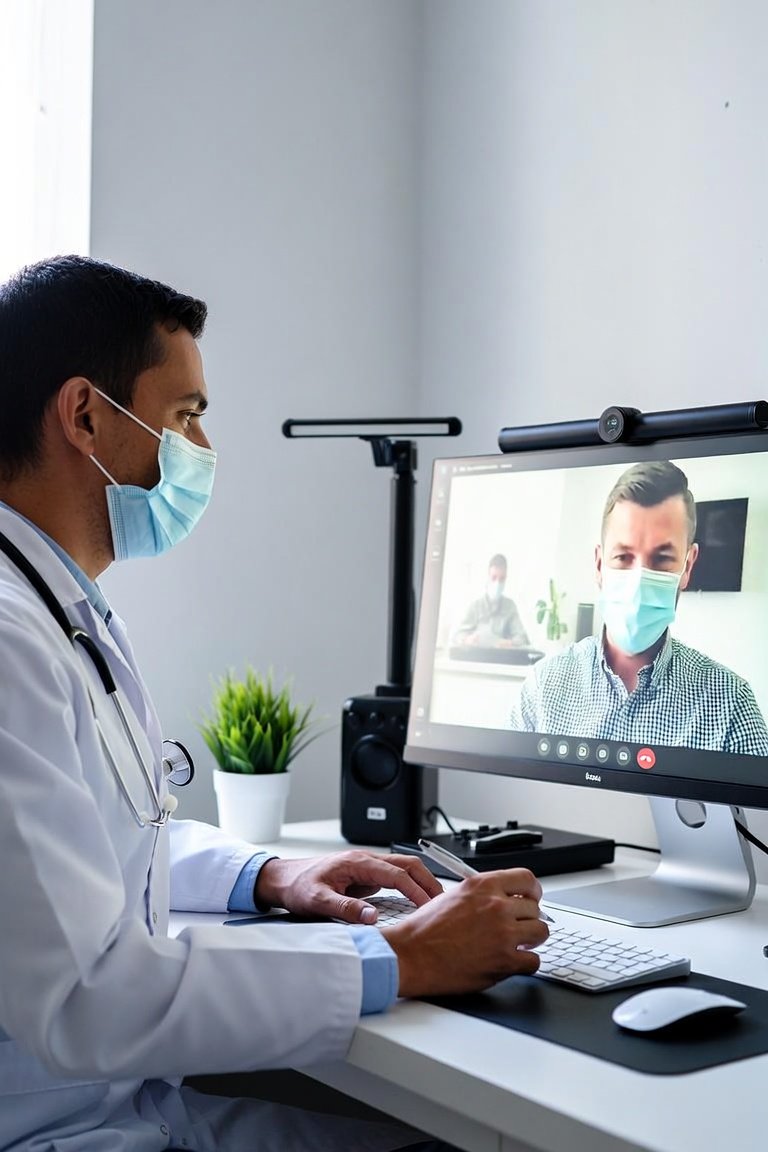
After two decades in practice, I have watched telemedicine evolve from a niche service into a mainstream way patients connect with their doctors. But with that growth comes new regulations that affect how you receive care. Recent updates from federal and state agencies aim to protect your privacy, ensure quality, and prevent fraud. Let me walk you through what has changed and how it impacts your next appointment.
The most significant update involves prescribing controlled medications. During the pandemic, rules were relaxed so doctors could prescribe certain medications like those for anxiety or ADHD after a simple video visit. Those emergency measures have now been replaced with a permanent rule requiring at least one in-person visit before a doctor can prescribe these medications long-term. This is not meant to be inconvenient. It is a safety measure to ensure proper evaluation and reduce the risk of misuse. If you rely on these medications, plan to see your doctor face-to-face at least once every two years.
Another key change involves where you can receive telemedicine. Previously, many states required you to be physically inside the same state as your doctor. Now, a growing number of states have joined the Interstate Medical Licensure Compact, which allows doctors licensed in one state to treat patients in other participating states. This is especially helpful if you travel frequently or live near a state border. However, not every state has joined. Always confirm with your doctor that they are licensed to treat you in your location.
Privacy protections have also been tightened. Telemedicine platforms must now use end-to-end encryption for all video and text communications. This means your conversation cannot be intercepted by third parties. If you are using a free app or a platform not provided by your doctor, ask if it meets the Health Insurance Portability and Accountability Act (HIPAA) standards. A simple question: Is this platform HIPAA compliant? can save you from sharing sensitive information on an unsecured connection.
For patients, practical steps matter. First, verify your insurance coverage before booking. Many insurers now require telemedicine visits to use specific platforms or meet certain criteria, like having a prior relationship with the doctor. Second, test your technology ahead of time. A stable internet connection and a working camera are non-negotiable. Third, have a backup plan. If your connection fails, know whether your doctor can switch to a phone call. Some states still allow audio-only visits, but others do not.
What should you remember? Telemedicine is here to stay, but the rules are not static. They are designed to balance convenience with safety. If you have a chronic condition, telemedicine can be a great tool for follow-ups, but complex issues still require in-person exams. Always ask your doctor: Is this visit appropriate for telemedicine, or should I come into the office? This simple question ensures you get the right level of care.
In my experience, the best telemedicine visits are those where patients come prepared. Write down your symptoms, medication list, and questions before the call. Treat the virtual visit with the same seriousness as an in-person appointment. And remember, regulations are meant to protect you, not restrict you. Stay informed, ask questions, and you will navigate these changes with confidence.
Clinic Management
Telemedicine Rules Are Changing: What This Means for Your Next Virtual Visit