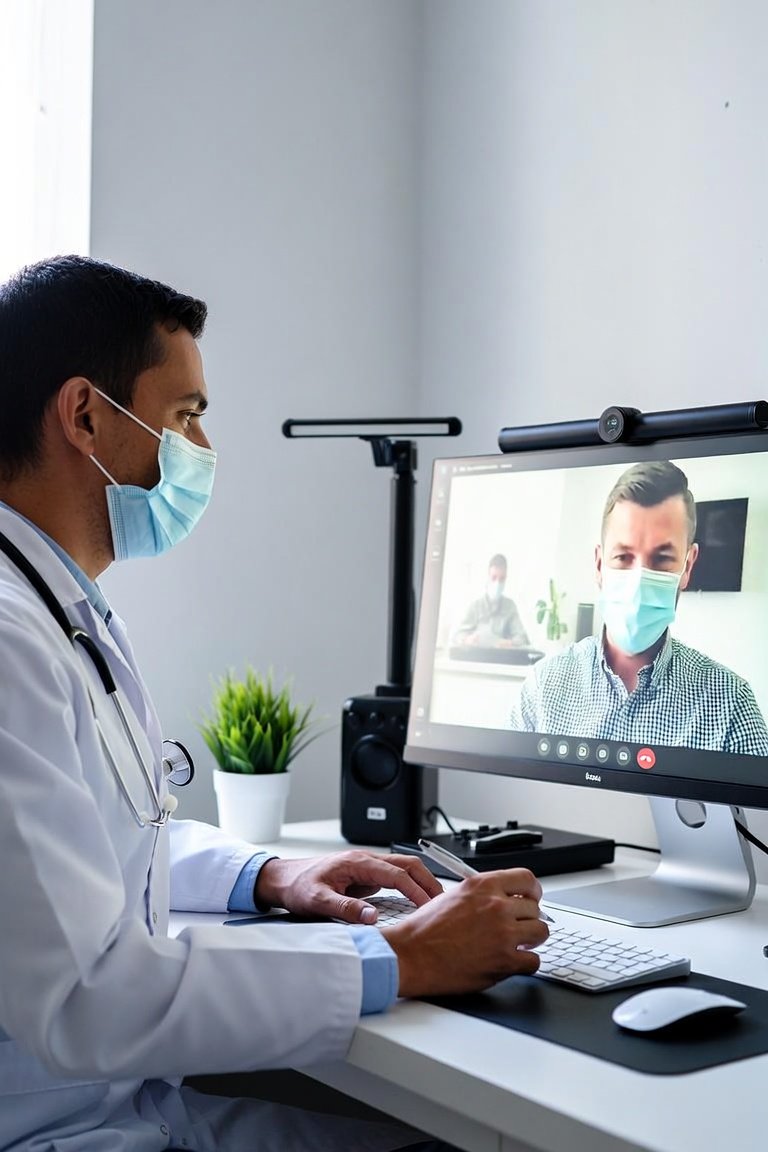
I have spent two decades in practice, watching technology evolve from paper charts to electronic records. But nothing has prepared me for the transformation I am seeing now with artificial intelligence in diagnostic medicine. This is not science fiction. AI tools are already helping doctors detect diseases earlier, reduce errors, and tailor treatments to individual patients. Let me share what this means for you.
Section 1: Key Points About AI in Diagnosis
The most important thing to understand is that AI does not replace your doctor. Think of it as a very smart assistant that can spot patterns in data that human eyes might miss. Here are the three ways AI is changing medicine for the better right now.
1. Faster and more accurate image reading. When you get a mammogram, CT scan, or chest X-ray, AI can analyze the images in seconds. Studies show AI can detect early signs of breast cancer, lung nodules, or brain bleeds with accuracy matching or exceeding radiologists. This means fewer missed diagnoses and quicker results for you.
2. Predicting disease before symptoms appear. AI can examine your routine blood work, vital signs, and genetic data to flag risks for conditions like diabetes, heart disease, or kidney failure months or years before you feel sick. This gives us a window to intervene early with lifestyle changes or medications.
3. Reducing diagnostic errors. Every doctor knows the sinking feeling of missing a rare condition. AI systems trained on millions of patient records can suggest possibilities we might overlook. For example, an AI tool recently helped a colleague diagnose a case of Wilson disease that had stumped three specialists.
Section 2: Practical Advice for Patients
You do not need to be a computer expert to benefit from AI in medicine. Here is what I tell my patients.
Ask your doctor if AI is used in your imaging studies. Many hospitals now use FDA-approved AI software for mammograms, CT scans, and retinal exams. If your facility does not have it, consider asking for a referral to one that does. You have the right to know what tools are being used for your care.
Keep a complete health record. AI works best with data. The more information your doctor can feed into these systems, the more accurate the predictions. Store your lab results, medication lists, and family history in a secure app or folder. When you see a new specialist, bring this record.
Be wary of direct-to-consumer AI health apps. Some apps claim to diagnose skin cancer or heart problems from a photo. These are not regulated like medical devices and can give false reassurance. Always verify AI-driven results with your physician.
Understand that AI is a tool, not a crystal ball. If an AI flags a potential issue, your doctor will still need to confirm it with additional tests. Do not panic if you receive an alert from a patient portal. It is simply a prompt for further evaluation.
Section 3: What to Remember
AI diagnostic tools are already woven into the fabric of modern medicine. They help us see clearer, think faster, and act sooner. But they only work when combined with the human elements of doctoring: listening to your story, examining you with care, and understanding your values. The best care happens when technology and compassion join forces.
Closing Thought
The next time your doctor orders a test, know that behind the scenes, powerful algorithms may be working alongside your physician to give you the best possible outcome. Embrace this progress, but never forget that your relationship with your doctor remains the heart of good medicine. Stay curious, stay informed, and always speak up about your health.
Clinic Management
How Artificial Intelligence Is Quietly Reshaping Your Medical Care