In my two decades of working with medical technology, I have seen sterilization methods evolve from simple steam units to highly sophisticated systems that integrate seamlessly with instrument tracking software. The choice you make for your clinic is not just about killing microbes; it is about patient safety, workflow efficiency, and the longevity of your surgical instruments. Selecting the wrong system can lead to damaged tools, delayed procedures, and increased operational costs. Let’s break down the current landscape so you can make an informed decision.
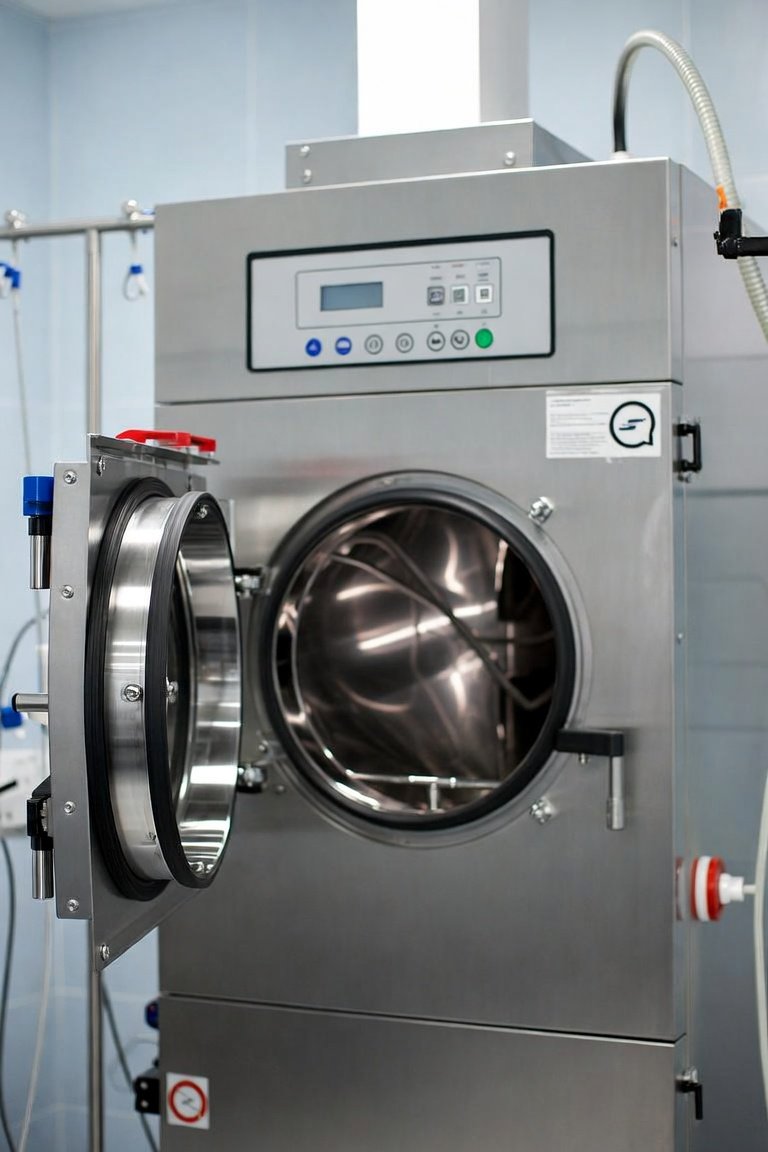
The backbone of any clinic remains the steam sterilizer, or autoclave. For 90 percent of practices, this is your primary workhorse. When evaluating autoclaves, you are looking at three distinct classes. Class N (gravity displacement) units are ideal for solid, unwrapped instruments. They are fast and affordable but cannot handle porous loads or wrapped packs. Class S (positive pressure) units are a step up, handling porous materials and some wrapped items, but they are not suitable for every load type. Class B (vacuum) sterilizers are the gold standard. They use a pre-vacuum to remove air from the chamber, allowing steam to penetrate wrapped packs and complex lumens effectively. If you perform any minor surgical procedures, dental implant work, or use any instrument with a lumen, do not settle for less than a Class B unit.
When comparing specific models, consider the chamber size against your daily caseload. A common mistake is purchasing a 12-liter bench-top unit when you are running 30 instrument sets a day. You will spend all your time cycling, not treating patients. Look for a unit with a cycle time of under 30 minutes for wrapped instruments. The Tuttnauer and Midmark lines offer reliable bench-top Class B units, but if you are a larger outpatient surgery center, you should be looking at freestanding units from Getinge or Steris. These larger units offer faster turnaround times and better data logging capabilities. Do not overlook the water quality requirement; most modern units require reverse osmosis or distilled water to prevent mineral scaling on your instruments and inside the chamber.
Beyond steam, you must consider low-temperature sterilization for heat-sensitive equipment. If you use rigid endoscopes, cameras, or powered instruments, a hydrogen peroxide plasma sterilizer (like the STERRAD system) is your best option. These units operate at around 45 to 50 degrees Celsius and leave no toxic residues, allowing for immediate use after the cycle. The downside is cost and the need for specialized cassettes. For clinics with a tighter budget, a peracetic acid immersion system is a viable alternative, though it requires instruments to be processed immediately before use. Never try to save money by using chemical liquid disinfectants on critical devices; that is a patient safety risk you cannot afford.
What should you look for beyond the sterilization cycle itself? First, demand a built-in printer and a data port for cycle documentation. In today’s regulatory environment, you need traceability. Second, evaluate the loading ergonomics. Are the trays easy to reach? Is the door mechanism durable? Third, and most importantly, check the manufacturer’s service network. A sterilizer that is down for a week because a technician is unavailable is a revenue disaster. Ask about response times and warranty terms before you sign.
My final recommendation is to think about your future. If you plan to add new surgical services, buy a unit with a larger capacity than you currently need. Also, budget for a biological indicator incubator and a Bowie-Dick test pack program. Routine spore testing is non-negotiable; it is your only true proof that the sterilizer is working. Do not rely solely on the chemical indicators on the tape. Invest in a quality unit, train your staff rigorously, and maintain a strict log. That is the formula for a safe, efficient, and compliant clinic.
Clinic Equipment
Choosing the Right Sterilization Equipment for Your Medical Facility