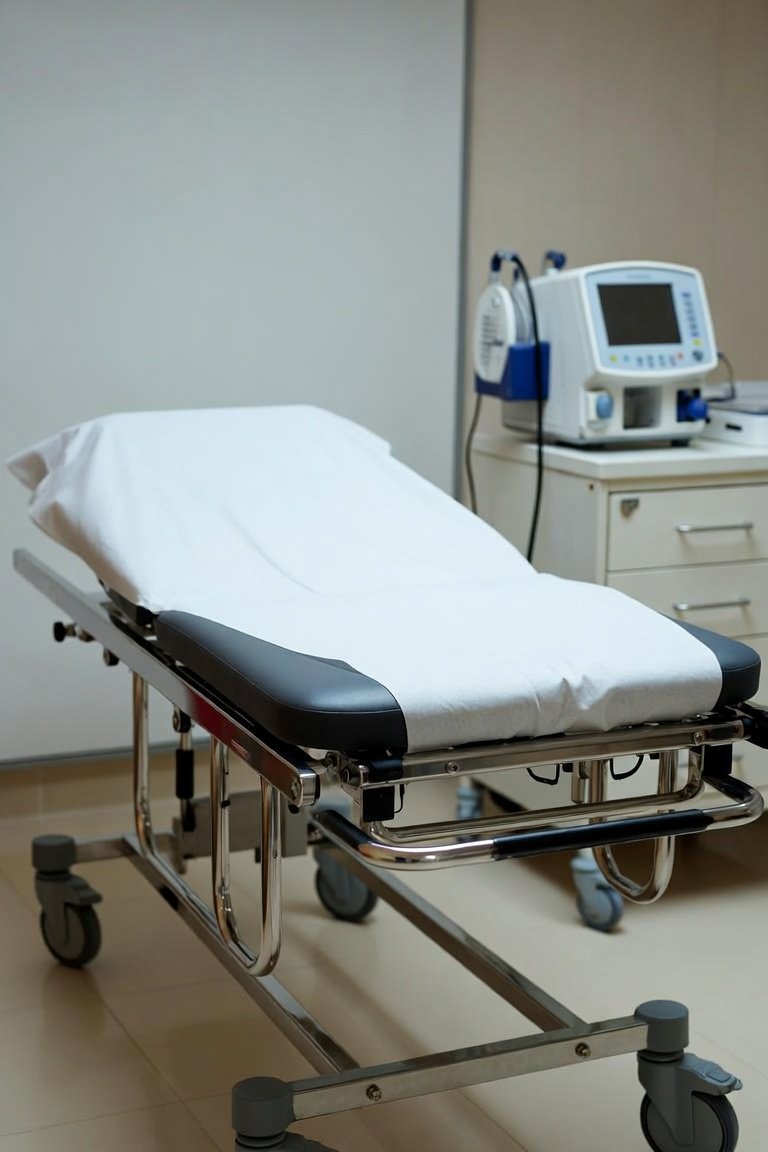
The examination table is the silent workhorse of your practice. It is the first piece of equipment a patient touches, and it sets the tone for their entire visit. After two decades of outfitting clinics, I can tell you that the cheapest table is almost never the most cost-effective, and the most expensive is rarely necessary. The right choice is a balance of patient demographics, clinical procedures, and your staff’s physical well-being. Let’s cut through the marketing and focus on what actually matters.
The first critical decision is the table’s power source and height range. A manual hydraulic table is a solid, budget-friendly workhorse, but it requires the staff to pump a foot pedal. For a high-volume practice seeing 30 plus patients a day, this adds up to significant physical strain on your nurses and medical assistants. An electric table, with a quiet motor and a low starting height of around 18 inches, is a non-negotiable investment for geriatric or bariatric populations. The ability to lower the table to a near-wheelchair level for transfers is not a luxury; it is a safety feature that prevents patient falls and staff back injuries. Look for a lift capacity of at least 500 pounds, but do not stop there. Check the table’s weight distribution, not just the total capacity.
Next, consider the top section configurations. You have three main options: a flat top, a two-section top, and a four-section top. A flat top is fine for basic physicals, but it is a poor choice for gynecological or urological procedures. A two-section top, with an articulating backrest, is the minimum standard for general practice. However, I strongly recommend a four-section top for family medicine and internal medicine. This allows you to flex the patient’s knees, which relieves lower back pressure and prevents the patient from sliding down the table during a head-elevated exam. The four-section design also provides a proper “stirrup” position without forcing the patient into an awkward, unnatural hip angle. If you do any minor procedures, look for a table with a removable or drop-away section at the foot end. This is a game-changer for prostate exams or minor cystoscopies, allowing the clinician to stand close without the table frame obstructing their legs.
Beyond the basic mechanics, you must evaluate the upholstery and cleaning protocols. Medical-grade vinyl is not all the same. You want a 40-ounce or heavier vinyl with a seamless, welded construction. Stitched seams are a bacteria trap. Ask for a sample and try to puncture it with a pen; cheap vinyl will tear. In today’s environment, look for upholstery that is explicitly rated for hospital-grade disinfectants, including bleach solutions. Some newer tables feature antimicrobial coatings, but do not rely on that as a substitute for proper cleaning. Also, check the padding density. A table with 2 inches of high-density foam is fine for a 15-minute visit, but for a 45-minute procedure, you need 3 inches of convoluted foam or a pressure-relief mattress overlay. Your patients will remember the comfort, or lack thereof, more than your diplomas.
Finally, do not overlook the base and footprint. A fixed-height table is obsolete. You need a table with a wheelbase, but ensure the wheels lock securely on all four casters. A table that wobbles during a procedure is a liability. Also, consider the power cord management. A table with a retractable cord or a side-mounted plug is safer and easier to move than one with a trailing cord from the base. For small exam rooms, look for a table with a “zero-clearance” backrest that can be raised to a near-vertical position, allowing the patient to sit up and swing their legs off the side without the table hitting the wall.
In summary, your selection process should prioritize patient transfer safety first, then clinical versatility, and finally staff ergonomics. Set a realistic budget, but allocate the majority of it to the lift mechanism and the top-section configuration. A basic manual table with a flat top will cost you less upfront, but it will cost you in staff turnover and patient satisfaction within two years. Invest in a four-section electric table with a low profile and heavy-duty casters. Test it yourself: lower it, raise it, and simulate a patient transfer. If it feels solid and smooth, you have found your table. Your staff and your patients will thank you for it.
Clinic Equipment
Choosing the Right Examination Table: A Practical Guide for Modern Clinics