Over the past decade, I have helped dozens of clinics transition from traditional in-person care to hybrid models that include telemedicine. The most common mistake I see is treating virtual visits as an afterthought, a simple video call bolted onto an existing schedule. That approach fails. A proper telemedicine service requires deliberate planning around hardware, software, workflow, and staff training. When done correctly, it expands your reach, reduces no-show rates, and improves chronic disease management. Let me walk you through the essential steps.
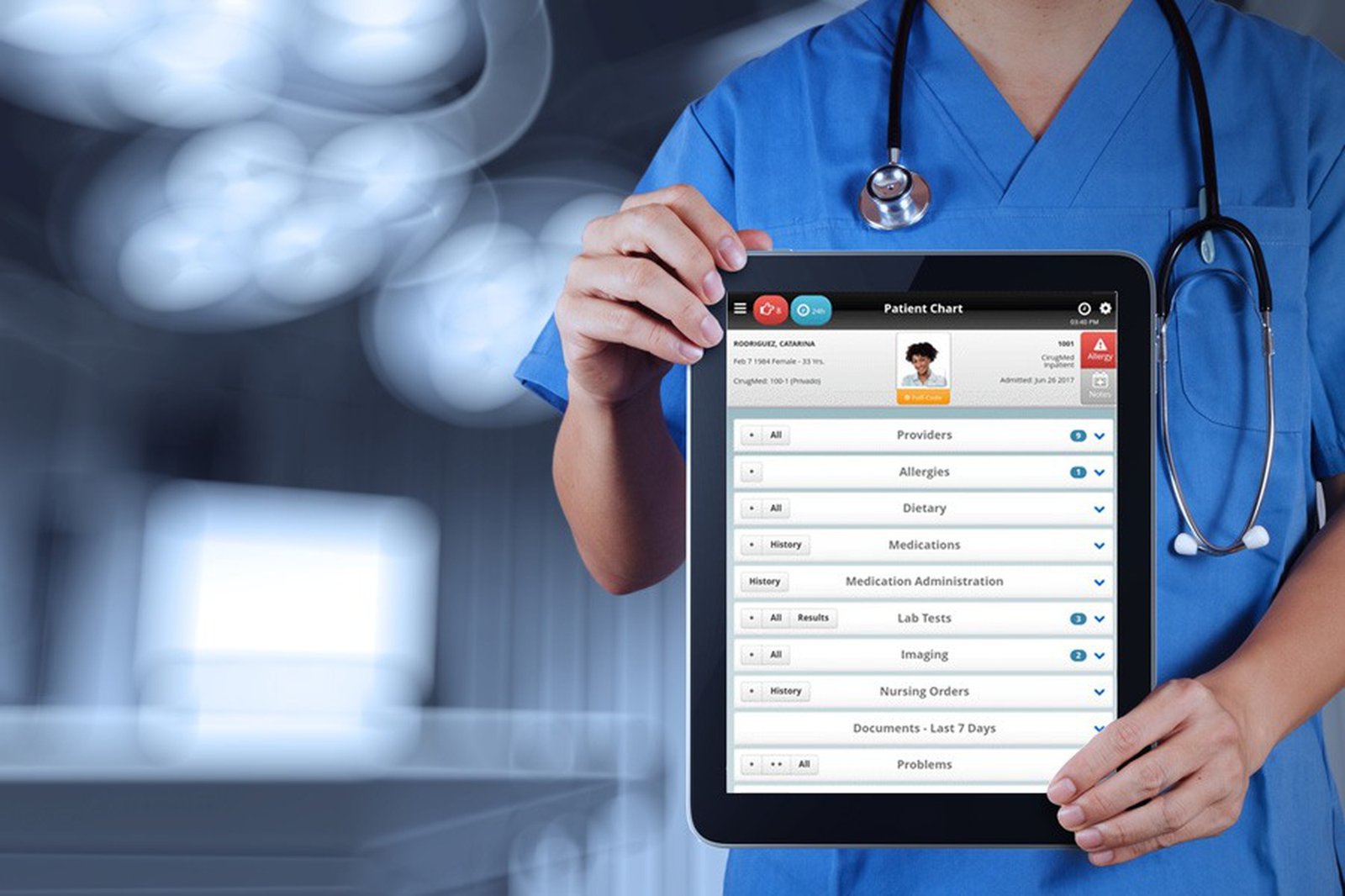
The first decision is your platform. You have three main categories: integrated electronic health record modules, standalone telehealth software, and enterprise-level systems. Integrated modules, like those from Epic or Cerner, offer seamless documentation and billing but often lack the user-friendly interface patients expect. Standalone platforms such as Doxy.me, Zoom for Healthcare, or Updox are easier for patients and clinicians to navigate, but you must ensure they integrate with your EHR via HL7 or FHIR APIs. Enterprise systems, like Amwell or Teladoc, provide full turnkey solutions but come with significant subscription costs and contract minimums. For a small or mid-sized clinic, I recommend starting with a standalone platform that has proven EHR integration. Test it with your actual patient portal before committing.
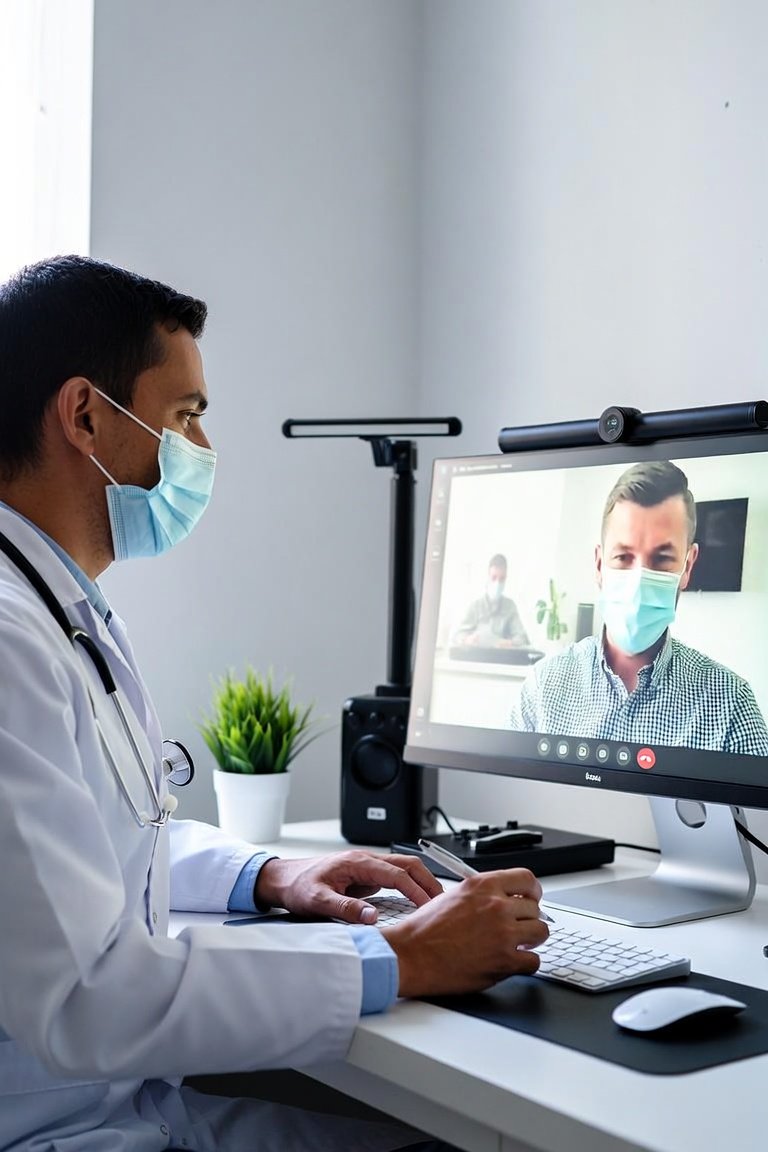
Now, hardware. Do not rely on a laptop webcam for clinical assessments. Invest in a high-definition USB camera with at least 1080p resolution, a decent external microphone, and proper lighting. A ring light positioned at eye level makes a dramatic difference in how you appear to patients. For dermatology or wound care, you need a digital otoscope or a high-resolution document camera that can capture still images during the visit. Remember, the camera should be at eye level, not angled up your nose. Also, use a wired ethernet connection for your clinical workstation. Wi-Fi introduces latency and packet loss, which ruins the consultation. If you must use Wi-Fi, ensure your router supports QoS and your bandwidth is at least 25 Mbps upload and download.
Your clinical workflow needs a dedicated virtual waiting room. This is not just a video queue. It should include pre-visit questionnaires, consent forms, and a check-in process that verifies patient identity. I strongly advise using a two-factor authentication step, especially for controlled substance refills. You also need a clear protocol for technical failures. If the video drops, the clinician should have a phone number to call the patient immediately. Never leave a patient hanging in a broken session. Document every failed attempt in the EHR.
Staff training is the most undervalued component. Your front desk must know how to send the correct link, troubleshoot basic audio issues, and reschedule if needed. Your clinicians need practice with the camera, the peripheral devices, and the platform's annotation tools. Run mock sessions. Record them. Critique them. I have seen clinics buy expensive equipment and then abandon it because no one felt comfortable using it.
Finally, consider your reimbursement model. Verify that your platform is HIPAA compliant and that you are billing correctly for telehealth codes. Many private payers now cover virtual visits at parity with in-person care, but you must check each contract. Medicare has specific rules about originating sites, though these have relaxed since the public health emergency. Do not assume. Have your billing team audit your first fifty telehealth claims to catch errors early.
In summary, a successful telemedicine service is built on three pillars: reliable technology, streamlined workflows, and confident staff. Start with a standalone platform that integrates with your EHR, invest in proper cameras and lighting, and create a virtual waiting room that handles identity and consent. Train your team rigorously and test everything before going live. Telemedicine is not a temporary fix. It is a permanent extension of your clinical capabilities, and if you build it correctly, your patients will appreciate the convenience, and your practice will see the benefits in both satisfaction and revenue.
Clinic Management
Building a Telemedicine Service That Actually Works