Starting a dental practice is an exciting venture, but the sheer volume of equipment decisions can be overwhelming. After two decades of installing and servicing dental technology, I can tell you that the practices that thrive are not the ones with the most gadgets, but the ones with a smart, prioritized approach to their clinical toolkit. Your goal is to deliver excellent care and create a smooth patient flow, and that starts with choosing equipment that is reliable, serviceable, and appropriate for your patient demographic. Let’s cut through the noise and focus on what truly matters for a new practice.
The absolute foundation of your operatory is the delivery system, which consists of the dental chair, the unit, and the light. The chair is your patient’s first physical impression of your clinical competence. Look for a chair with a thin backrest and a synchronized movement system, as this provides better patient comfort and reduces the need for them to slide down during procedures. The delivery unit, whether it’s mounted on the chair, on the wall, or on a mobile cart, should offer smooth, effortless movement of your handpieces. I strongly recommend testing the weight and flexibility of the tubing before you buy. For the operating light, LED is non-negotiable in today’s market. It runs cooler, lasts longer, and provides a truer color spectrum, which is critical for shade matching and seeing soft tissue detail. A light with a color temperature around 5000 Kelvin is your sweet spot.
Beyond the basic chair, your high-speed handpiece and scaler are your workhorses. When comparing handpieces, you have two main options: air-driven or electric. Air-driven handpieces are lighter and less expensive, but they lose torque under load. Electric handpieces maintain constant speed and torque, which makes cutting through enamel and dentin more efficient and predictable, especially for crown preps. If your budget allows, invest in at least one electric handpiece for your primary restorative work. For scaling, a piezoelectric ultrasonic scaler is far more efficient than hand scaling alone. It uses magnetostrictive or piezoelectric technology to create high-frequency vibrations that break up calculus. The key feature to look for is a built-in water irrigation system with adjustable flow, as this prevents overheating and flushes debris from the pocket.
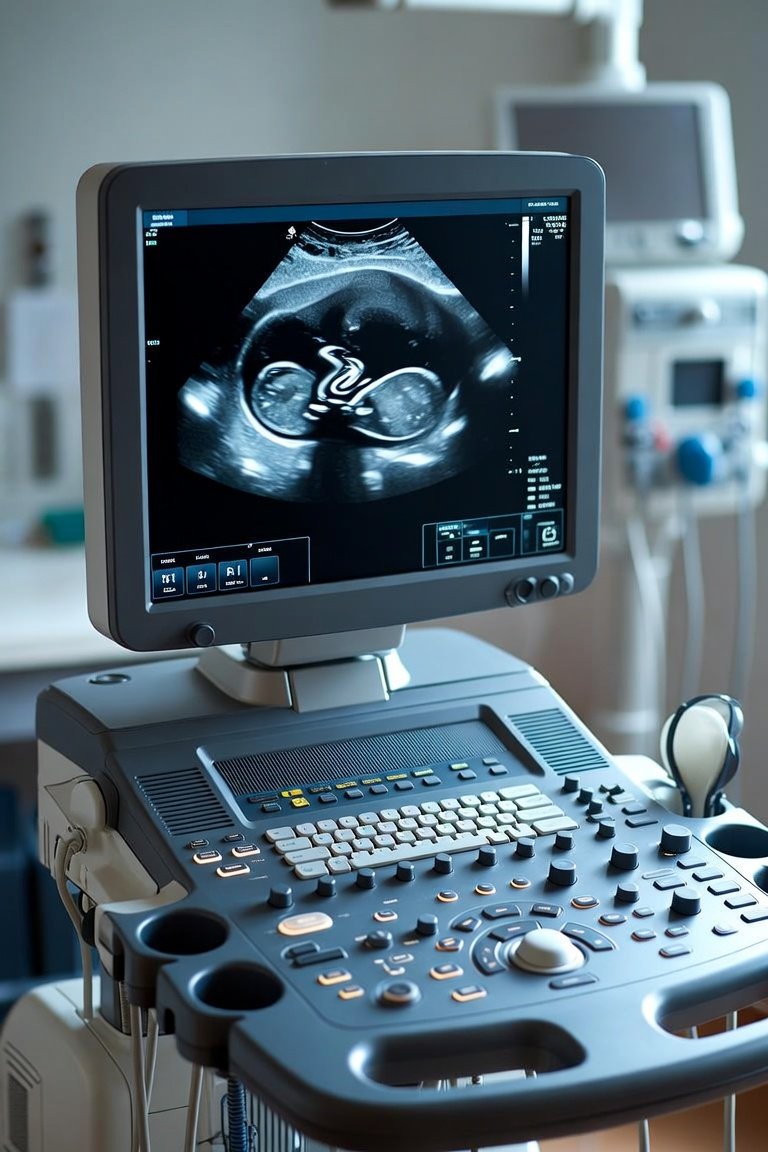
Now, let’s talk about the diagnostic and imaging essentials. A digital intraoral sensor is a must-have. It reduces radiation exposure by up to 90% compared to film and gives you instant images. You have two main types: CMOS (Complementary Metal-Oxide-Semiconductor) and CCD (Charge-Coupled Device). CMOS sensors are generally more durable and have a larger active area, making them more forgiving for patients. For panoramic imaging, you have a decision to make. A 2D panorex is sufficient for basic extractions and impaction screening. However, a 3D CBCT (Cone Beam Computed Tomography) unit is a game-changer for implant planning, endodontics, and airway assessment. If you plan to place implants, I would strongly advise starting with a CBCT, even if it’s a smaller field-of-view unit. The diagnostic information it provides will pay for itself within the first year.
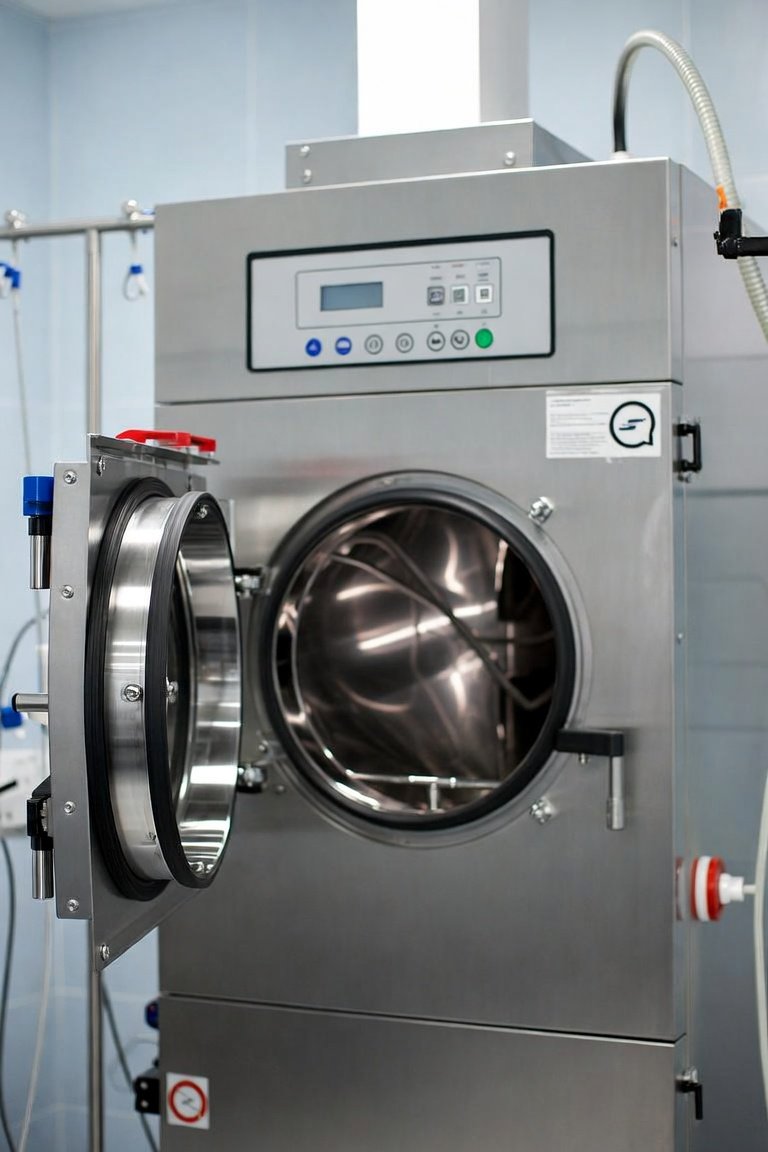
When you are evaluating suppliers, do not just look at the sticker price. Ask about the service contract, the availability of loaner equipment, and the response time for repairs. A chair that is down for a week is a week of lost revenue. Also, consider the sterilization workflow. You will need a Class B autoclave, which uses a vacuum cycle to sterilize wrapped instruments effectively. Look for one with a fast cycle time, around 20 to 30 minutes, to keep your turnover efficient. Finally, do not forget the basics: a high-quality curing light, a caries detection device, and a good set of diagnostic mirrors and explorers. These small tools are used every single day and should be of the highest quality you can afford.
In closing, my practical advice is to prioritize the equipment that directly impacts diagnosis and treatment delivery. Start with a solid delivery system, a reliable handpiece, and a good imaging suite. You can always add cosmetic enhancements like intraoral cameras or laser therapy units later. The key is to build a practice that is functional, safe, and efficient from day one. Take your time, sit in the chairs, and feel the handpieces in your hand. The right equipment will feel like an extension of your own clinical skills, and that confidence will translate directly to your patients’ trust.
Clinic Equipment
Building a Dental Practice: The Essential Equipment Checklist