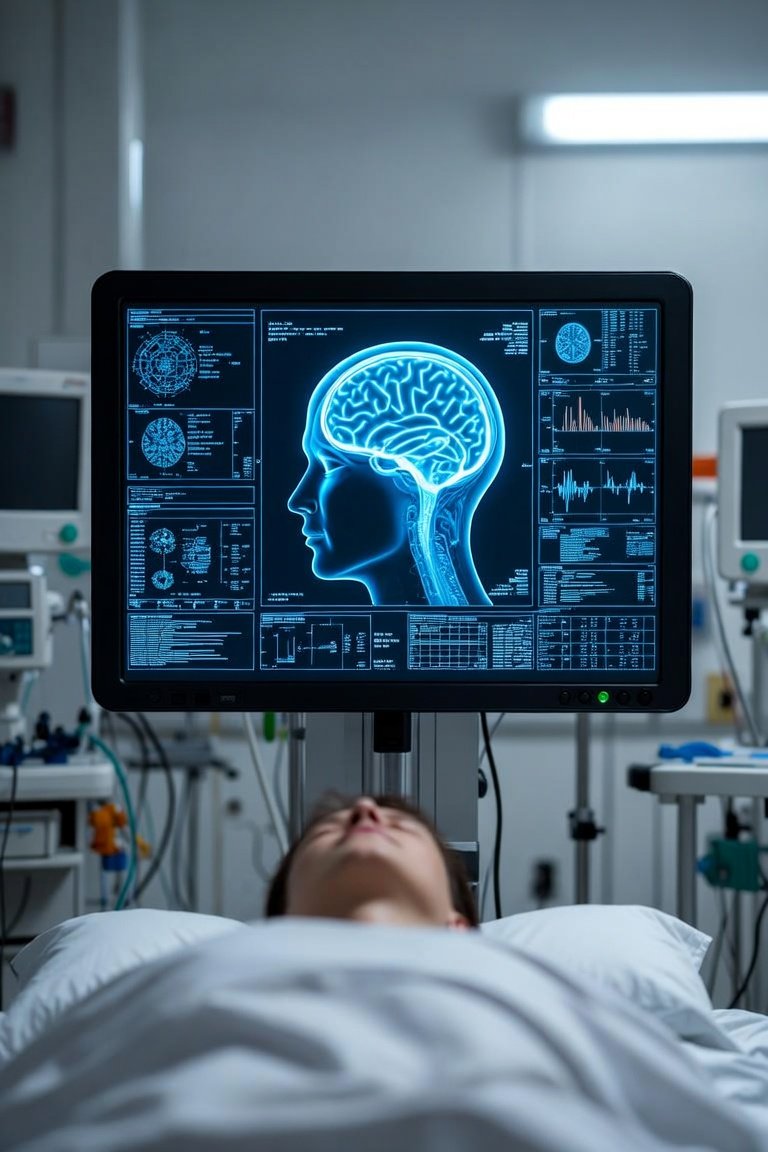
I have been practicing medicine for two decades, and I can tell you that the single biggest change I have witnessed is not a new drug or a surgical robot. It is the quiet, powerful arrival of artificial intelligence, or AI, in the diagnostic process. Many patients worry this means a computer will replace their doctor. Let me set the record straight. AI is not here to replace us. It is here to make us better, faster, and more accurate. Think of it as a brilliant assistant that never gets tired, never forgets a detail, and can scan millions of medical records in seconds. For you, the patient, this translates into earlier detection of diseases, fewer unnecessary tests, and treatments tailored specifically to your body.
Section 1: How AI is Changing Your Diagnosis
Here are three key ways AI is already improving your care, and what you should know about each.
1. Faster and more accurate image reading. When you get a mammogram, a CT scan, or an X-ray, the images are now often reviewed by an AI program first. This program can spot a tiny nodule or a subtle fracture that the human eye might miss. Studies show that AI can detect breast cancer on mammograms with a sensitivity close to 95 percent, and it reduces the number of false alarms. For you, this means a higher chance of catching a problem early, when treatment is most effective.
2. Predicting your personal risk. AI can analyze your electronic health record, including your age, family history, lab results, and even your lifestyle habits, to calculate your risk for conditions like heart disease, diabetes, or stroke. This is not a vague guess. It is a precise, data-driven probability. Your doctor can then use this information to start preventive measures months or years before symptoms appear. For example, if your AI risk score for type 2 diabetes is high, we can begin dietary counseling and exercise planning right away.
3. Reducing diagnostic errors. One of the most frustrating experiences in medicine is a delayed or incorrect diagnosis. AI helps by cross-referencing your symptoms with thousands of similar cases in a global database. If you come in with a headache and a rash, an AI tool might suggest a rare infection that your doctor had not considered. This does not mean the AI makes the final call. It simply broadens the list of possibilities so your doctor can ask the right questions and order the right tests.
Section 2: Practical Advice for Patients
You can take an active role in this new era of medicine. Here are three actionable steps.
First, ask your doctor if AI is used in your care. Many hospitals are now using AI for interpreting mammograms, EKGs, and retinal scans. Knowing this can give you confidence that no detail has been overlooked. If your doctor says they do not use AI, ask why. In some cases, it may be a smaller practice without the resources, but in others, it might be a missed opportunity for better care.
Second, keep your health records updated and accessible. AI works best when it has complete information. If you have had tests at another facility, bring copies or request that they be sent electronically. If you have a family history of cancer or heart disease, share that clearly. The more data the AI has, the more accurate its predictions will be for you.
Third, do not fear the technology. I have had patients tell me they are worried that a computer will make a mistake or that their privacy is at risk. While these are valid concerns, the reality is that AI systems are rigorously tested and regulated. They are designed to flag potential issues, not to make final decisions. Your doctor remains the human in charge, and your personal information is protected by the same laws that guard your regular medical records.
Section 3: What to Remember
AI diagnostic tools are not science fiction. They are here, and they are saving lives. They help us find cancers earlier, predict heart attacks before they happen, and avoid the frustration of a wrong diagnosis. But they are only as good as the humans who use them. Your relationship with your doctor remains the most important part of your care. AI is simply a tool, like a stethoscope or an MRI machine. It amplifies our abilities but does not replace our judgment or our compassion.
Closing thought
The next time you visit your doctor, you might be benefiting from AI without even knowing it. That is the goal. I want you to leave my office healthier and more informed than when you arrived. Embrace this technology as a partner in your health journey. It is not a cold machine. It is a warm, watchful helper that wants the same thing you do: a long, healthy life.
Clinic Management
Artificial Intelligence in Your Doctor's Office: What It Means for Your Health